About

Hello, I’m Mara.

I design and build software for people doing hard jobs: nurses on night shifts, council officers in a storm, passengers at a ticket barrier, growers in the rain.

I studied interaction design, then spent four years in a hospital’s digital team, where I learned that the most important user research happens at 3 a.m. Since 2019 I’ve worked independently, usually embedded in a client team for a few months at a time.

I write the front-end code for my own designs. Not because designers should code, but because I like the details to survive. It also means prototypes run on real devices from the first weeks, where they can be tested in the real place.

I live in Edinburgh with too many notebooks. When I am not working I walk in the hills, mend bicycles badly and keep a list of the best-designed bus timetables in Europe.

Principles

What I believe about this work

  1. Watch before you draw

    The real requirements are in the room, not in the brief.

    Six nights on the ward > six workshops.

  2. Calm is a feature

    Every interruption should earn its place. Most don’t.

  3. Honest about uncertainty

    Show ranges, say what you don’t know, and lead with what to do.

  4. Accessible from the start

    Contrast, keyboard and screen readers are checked in every build, not at the end.

So far

A short timeline

Read the full CV
  1. 2019 –Independent product designer and design engineer
  2. 2022 –Creator and maintainer of the Quire design system
  3. 2015 – 2019Product designer, digital team at a hospital group
  4. 2013 – 2015Junior designer at a small Glasgow studio
  5. 2013BA Interaction Design

Outside work

Hills, rain and timetables
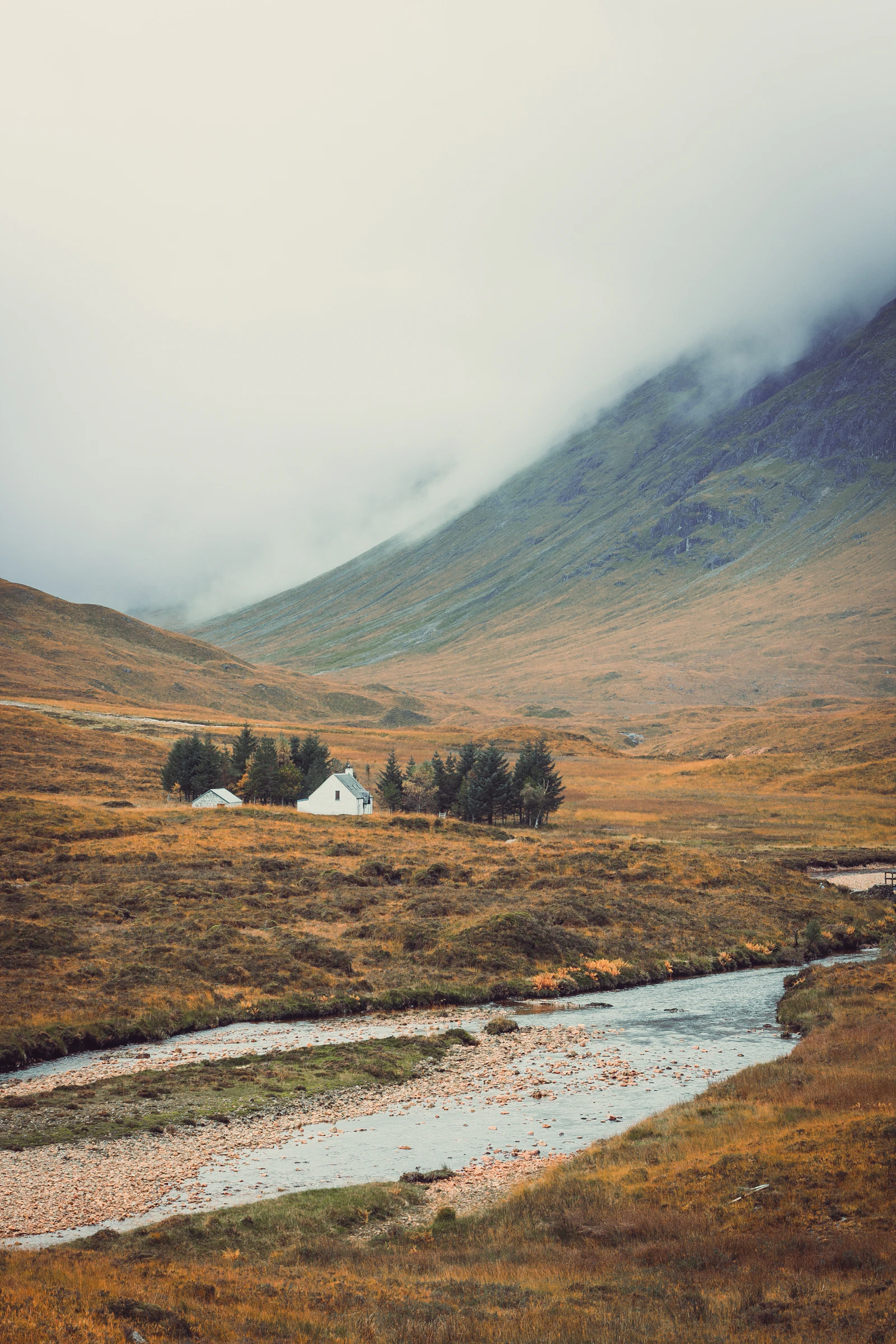
Walking country an hour from home.
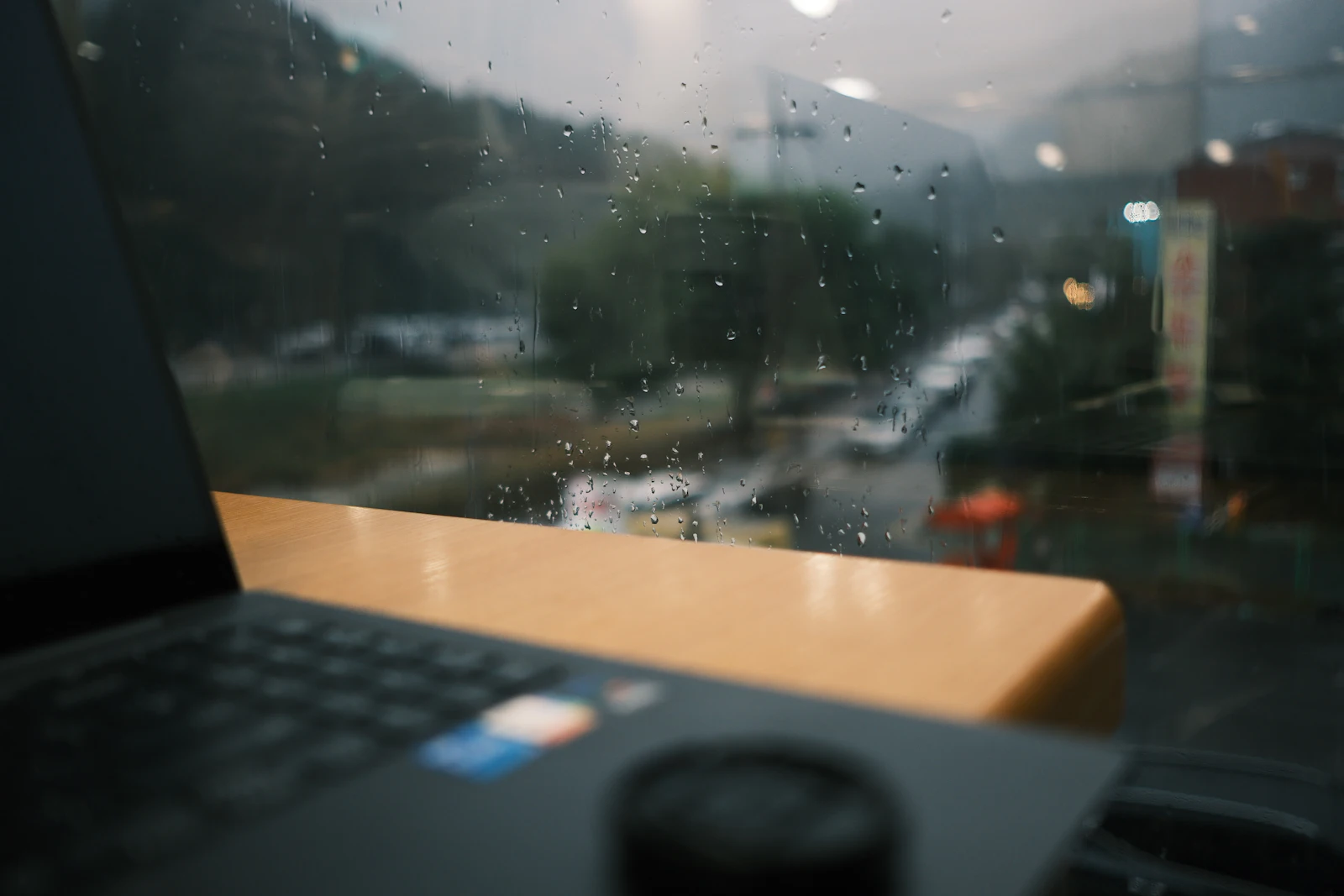
The view from my desk, most days.
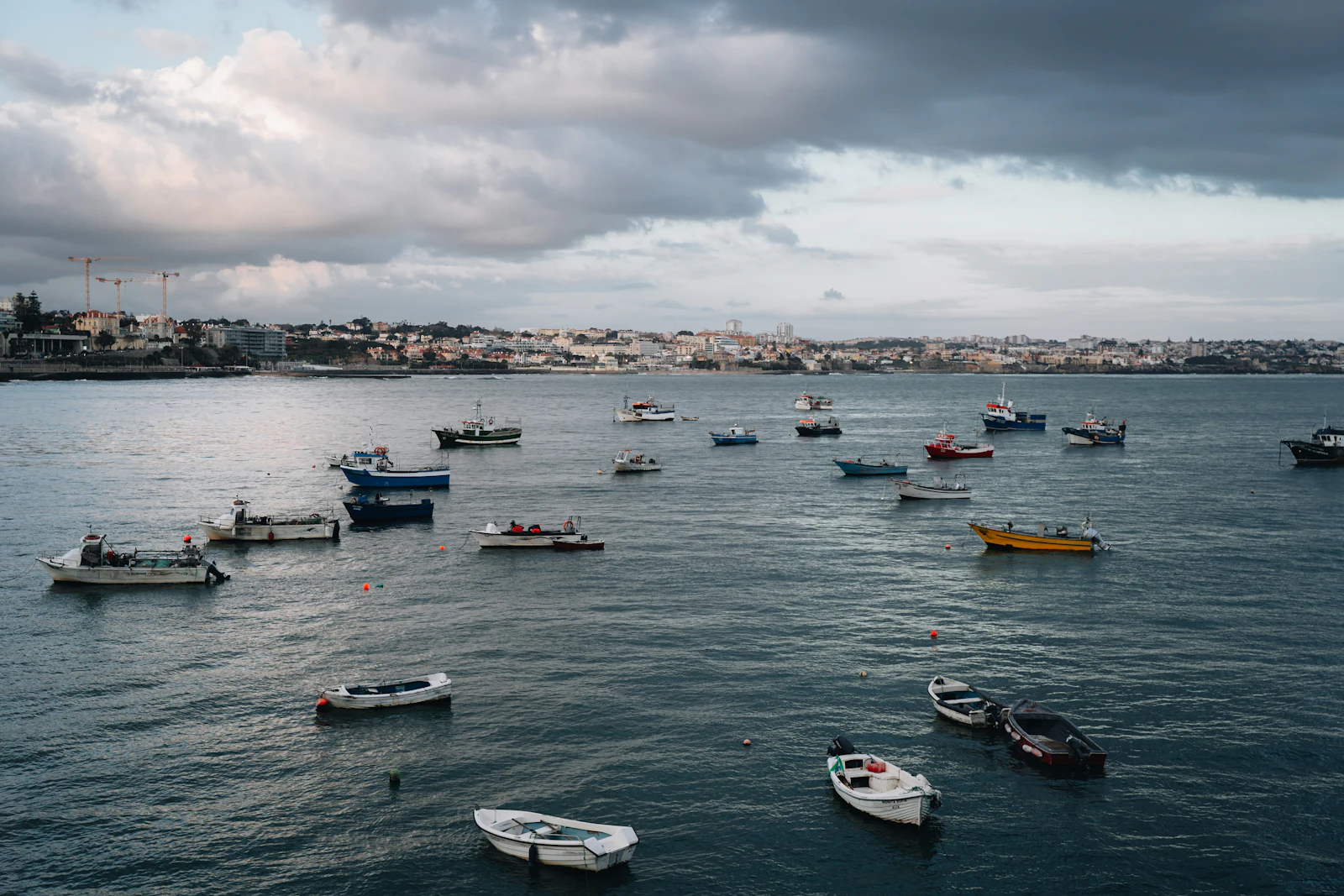
The harbour where the Tideline interviews happened.

Mara Kestrel and everything in her biography are fictional sample content.

Esc
Mara Kestrel
Work
Writing
About
CV
Speaking
Uses
Now
Contact
Night Ward A ward board for night-shift nurses that turns forty competing priorities into one calm list.
Tideline A public flood-warning service that shows how sure the forecast is, not only what it says.
Northline fares A fare finder that leads with the cheapest valid ticket and explains the rules in plain words.
Quire An accessible design system I maintain, where every colour pair ships with its contrast ratio.
Furrow An offline-first harvest log for small farms, designed for wet gloves and no signal.
Designing for 3 a.m. Most interfaces are designed at 11 in the morning by rested people. Some are used at 3 at night by exhausted ones. Here is what changes.
The case for fewer alerts Alert fatigue is a design problem, not a discipline problem. Four questions I ask before any notification ships.
Write the empty state first The first screen most people see is an empty one. Designing it first makes the rest of the product clearer.
Design tokens are a contract, not a palette A token named after a colour tells you what it looks like. A token named after a role tells you what it promises. Only one of those survives a redesign.
What a flood map taught me about uncertainty People trust forecasts more when you tell them how sure you are. Showing uncertainty is a design skill, and a public duty.
Switch theme
Turn margin notes on or off
Copy e-mail address hello@marakestrel.example
Print my CV