The School
A hundred years of engineering Algeria.
Founded in 1925, renamed in 1963, the École Nationale Polytechnique has trained the engineers behind the country’s water, energy, industry and infrastructure.
A word from the Director
Welcome to Polytechnique
For a century, this school has asked a great deal of its students, and they have given a great deal back to their country. Our graduates design its dams and power grids, run its plants and build its companies.
We ask three things of every Polytechnicien: rigour in the work, service to the country, and the curiosity to invent what does not exist yet. In return we offer demanding teaching, laboratories that tackle national questions, and a community that lasts a lifetime.
Whether you are preparing for the baccalaureate, considering a doctorate or looking for a partner in research, you are welcome here.
What we stand for
Three commitments, one tradition
-
Rigour
Engineering begins with getting the calculation right. Our teaching is demanding because the structures our graduates build must be safe.
-
Service
The school was founded to serve public services and industry. A century later, its specialties still follow the country’s needs: water, energy, resources.
-
Invention
From hydraulics in 1998 to hydrogen in 2023, the school keeps opening new fields as the problems change.
A century, drawn
From an industrial institute to a national school
The milestones that shaped the school.
-
1925:The Institut industriel d’Algérie
The school is founded to train senior technicians for the major public services, industry and public works.
-
1946:A new name after the war
Closed during the Second World War, the school reopens as the École nationale d’ingénieurs d’Algérie.
-
1962:A place in the country’s history
The school hosts the first meetings of Algeria’s provisional government.
-
1963:École Nationale Polytechnique
A ministerial decree of 25 June 1963 gives the school its present name and mission.
-
1998:Hydraulic engineering
Water becomes a specialty of its own, in a country where every drop counts.
-
2020:Data science & AI
A specialty opens for engineers who build models that learn from data.
-
2023:Hydrogen technology
Green hydrogen joins the programme, building on the country’s solar resource.
-
2025:One hundred years
A century after its founding, the school counts more than 11,700 graduates.
In figures
The school today
- Students
- 1,400+ in the preparatory and engineering cycles and doctoral studies
- Teaching staff
- 179 professors and lecturers
- Graduates
- 11,776+ engineers trained since the founding
- Specialties
- 13+ engineering programmes
- Research labs
- 12 accredited laboratories
Figures as published by the school, 2026.
Organisation
How the school is run
The Director leads the school with three deputy directorates and a general secretariat, alongside the school’s council and scientific council.
- Deputy Directorate for Teaching, Diplomas and Continuing Education
- Deputy Directorate for Doctoral Training, Research, Innovation and Entrepreneurship
- Deputy Directorate for Information Systems, Communication and External Relations
- General Secretariat
Campus services
Library
Reading rooms, the school’s collections and access to national digital libraries.
Technology hall
A shared space for practical work, prototypes and demonstrations.
Print & audiovisual centre
Course materials, publications and recorded lectures.
Networks & distance learning centre
The school’s systems, networks and remote-teaching platform.
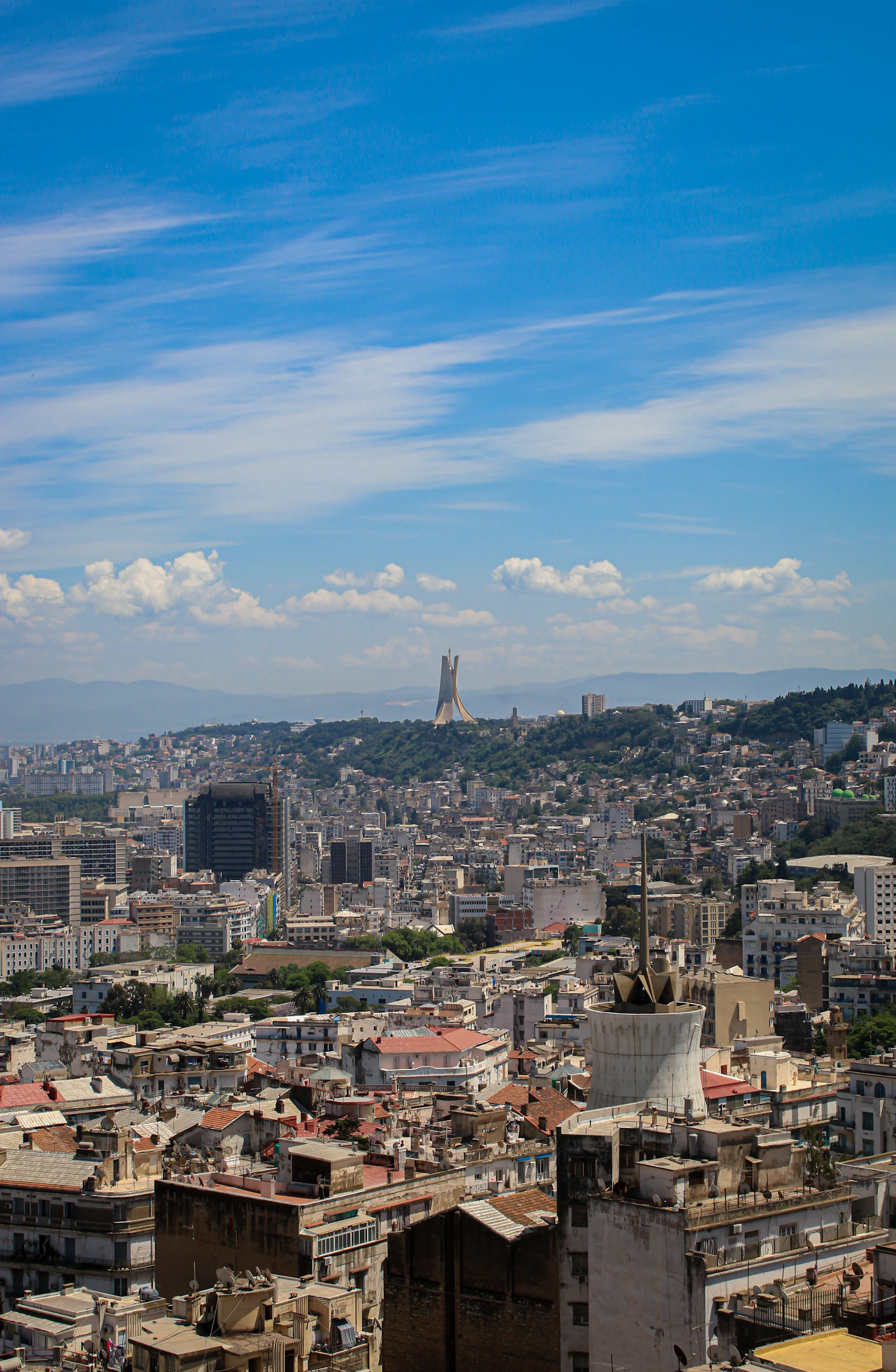
Algiers
In the capital, by the sea
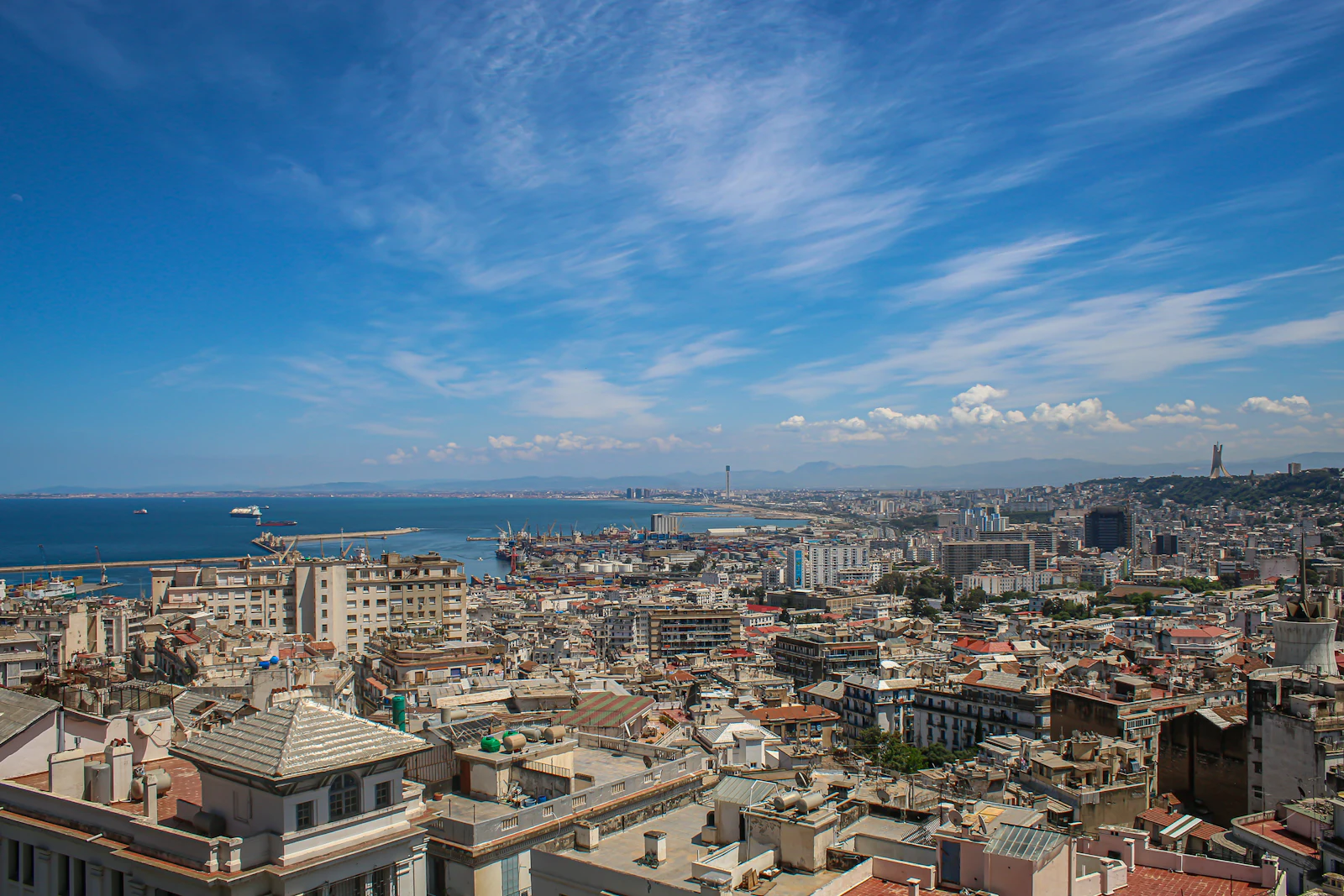
The school stands in El Harrach, on the eastern side of Algiers. The capital’s universities, research centres, ministries and head offices are within reach, and so is the Mediterranean.
Contact us