Communication and Photovoltaic Conversion Devices
Laboratoire des dispositifs de communication et de conversion photovoltaïque
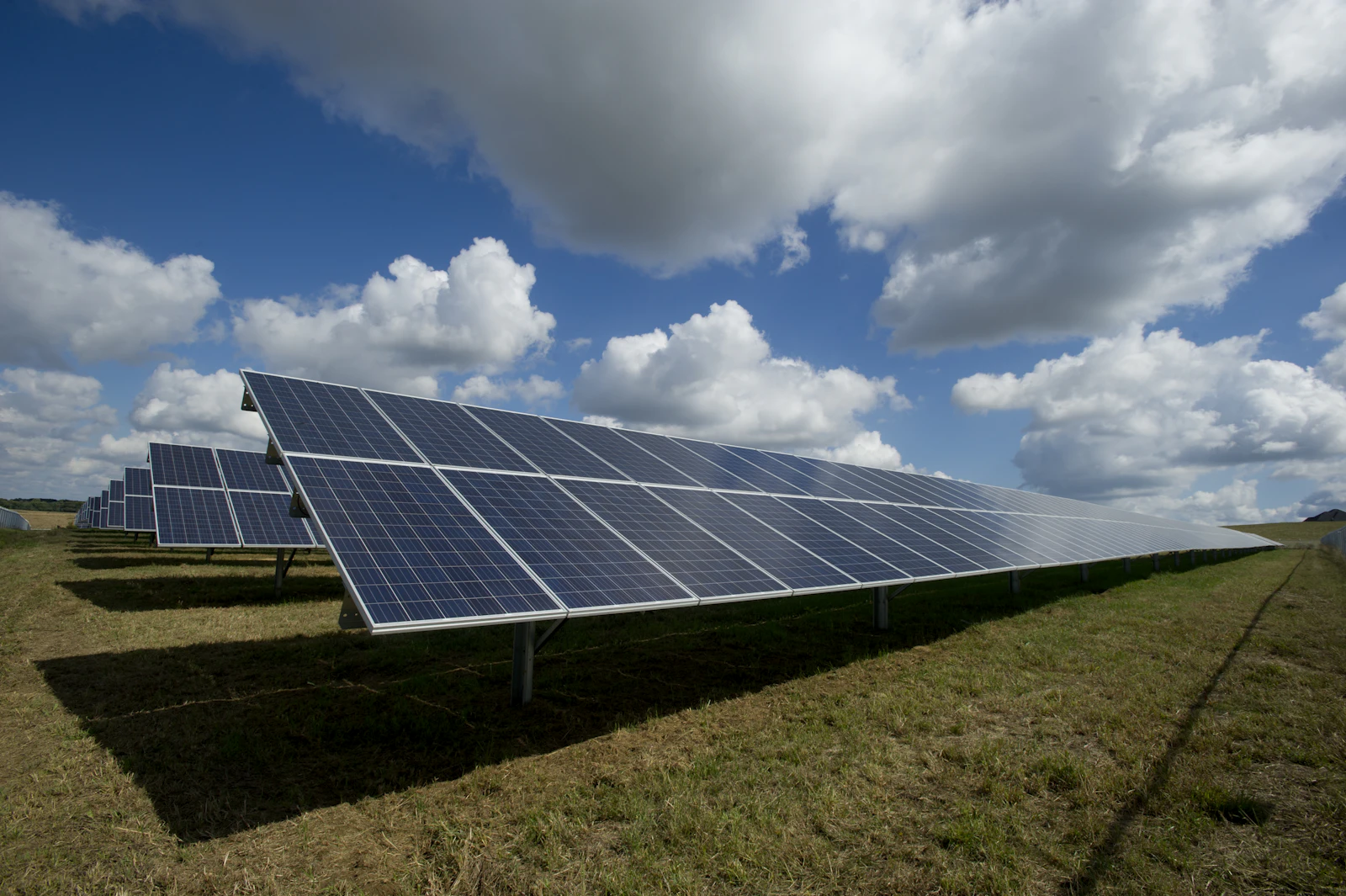
Devices that carry signals and devices that turn sunlight into electricity.
Serves Electronics, Electrical Engineering
Research
Earthquakes, water scarcity, the energy transition: the school’s laboratories work on the engineering problems that matter most here, and train the doctors who will keep working on them.
Laboratories
The school has twelve accredited laboratories. Each one hosts doctoral candidates and supports teaching in the specialties it serves.
Laboratoire des dispositifs de communication et de conversion photovoltaïque
Devices that carry signals and devices that turn sunlight into electricity.
Serves Electronics, Electrical Engineering
Laboratoire des biotechnologies environnementales et de génie des procédés
Biological and chemical processes for treating effluents and cleaner production.
Laboratoire sciences et génie des matériaux
Structure, properties and processing of metals and engineering materials.
Laboratoire génie mécanique et développement
Mechanical design, manufacturing and the behaviour of machines.
Serves Mechanical Engineering
Laboratoire de génie sismique et dynamique des structures
How structures respond to earthquakes, and how to design them to withstand one.
Serves Civil Engineering
Laboratoire de signal et communications
Signal processing and communication systems.
Serves Electronics, Data Science & AI
Laboratoire de commande des processus
Modelling and control of industrial and dynamic systems.
Laboratoire de recherche en électrotechnique
Electrical machines, power electronics and power systems.
Laboratoire de recherches en sciences de l’eau
Hydrology, hydraulics and the management of water resources.
Doctoral training
Doctoral candidates are admitted each year through the national doctoral competition, open to holders of a master’s or engineering degree.
They prepare their thesis in one of the school’s laboratories, under the supervision of its professors, and defend it in a public examination.
Innovation
Students and young graduates with a technology project can join the school’s incubator for support, space and advice.
Training, mentoring and events to help engineers start and grow companies.
Final-year projects, internships and research contracts with companies and public institutions.
Scientific life
The school regularly hosts international conferences, seminar series and distinguished lectures, and publishes scientific journals.
Open afternoon for baccalaureate holders
Doctoral thesis defence: materials science
Seminar: storing hydrogen safely
Cooperation
Through Erasmus+ and other exchange and scholarship programmes, students and researchers spend time in partner institutions abroad, and the school welcomes visiting researchers.
Contact us