Welcome to Polytechnique
A century of teaching that asks a great deal of students, and gives them the means to build.
A word from the DirectorEst. 1925 · El Harrach, Algiers
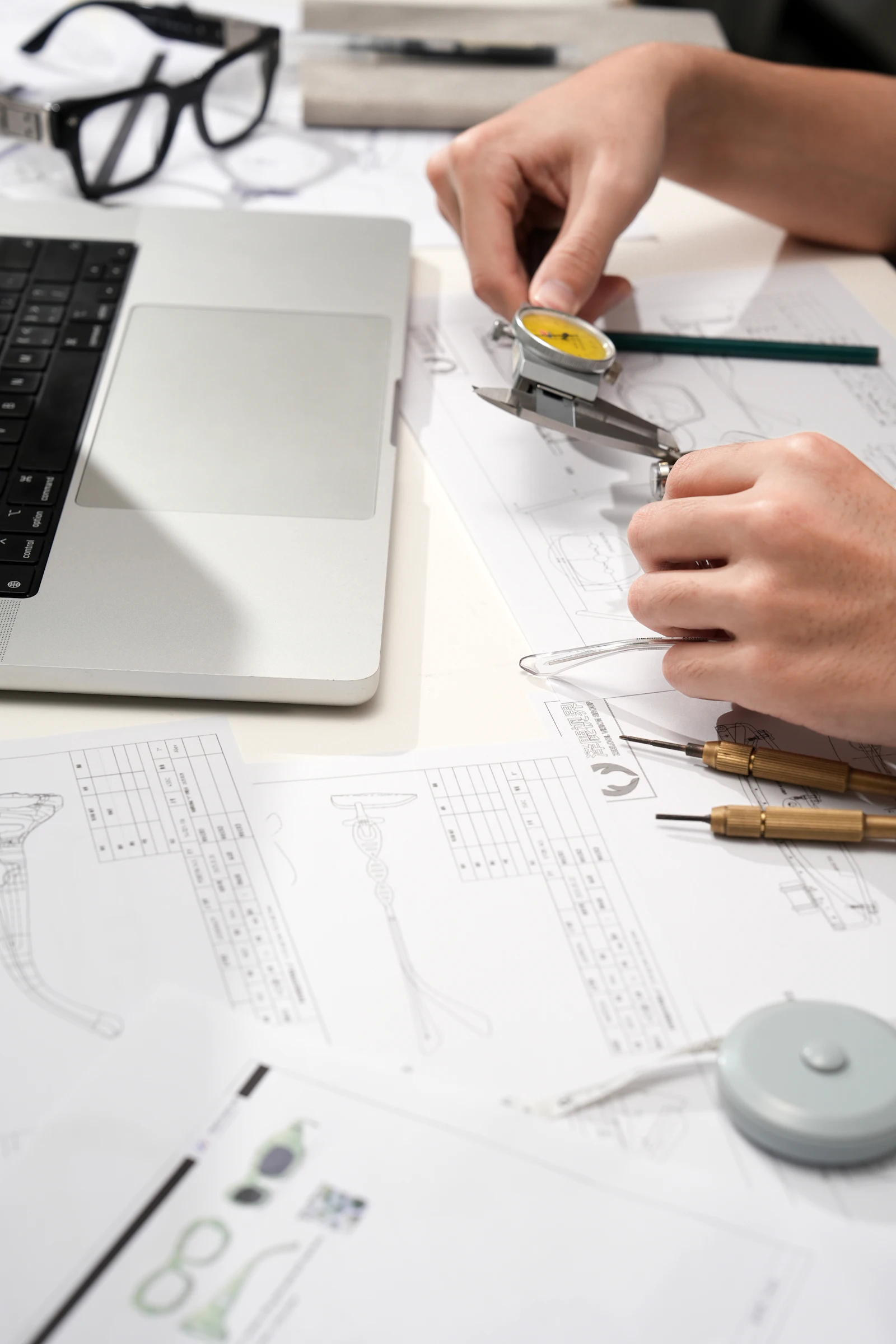
Algeria’s founding school of engineering. Thirteen-plus specialties, twelve research laboratories and one demanding habit: learn to draw it, then learn to build it.
Since 1925, the École Nationale Polytechnique has trained the engineers who build the country’s water, energy and industry.
A century of teaching that asks a great deal of students, and gives them the means to build.
A word from the DirectorOpen days, virtual tours and visits for schools and families: meet the specialties, the laboratories and the students before you choose.
Plan a visitFrom the baccalaureate to Ingénieur d’État: the route, step by step.
How to applyEngineering begins with getting the calculation right. For a hundred years the school has opened new specialties as the country’s problems changed: water in 1998, data in 2020, hydrogen in 2023.
About the schoolProgrammes
Every engineer starts with the same foundations, then chooses where to build.
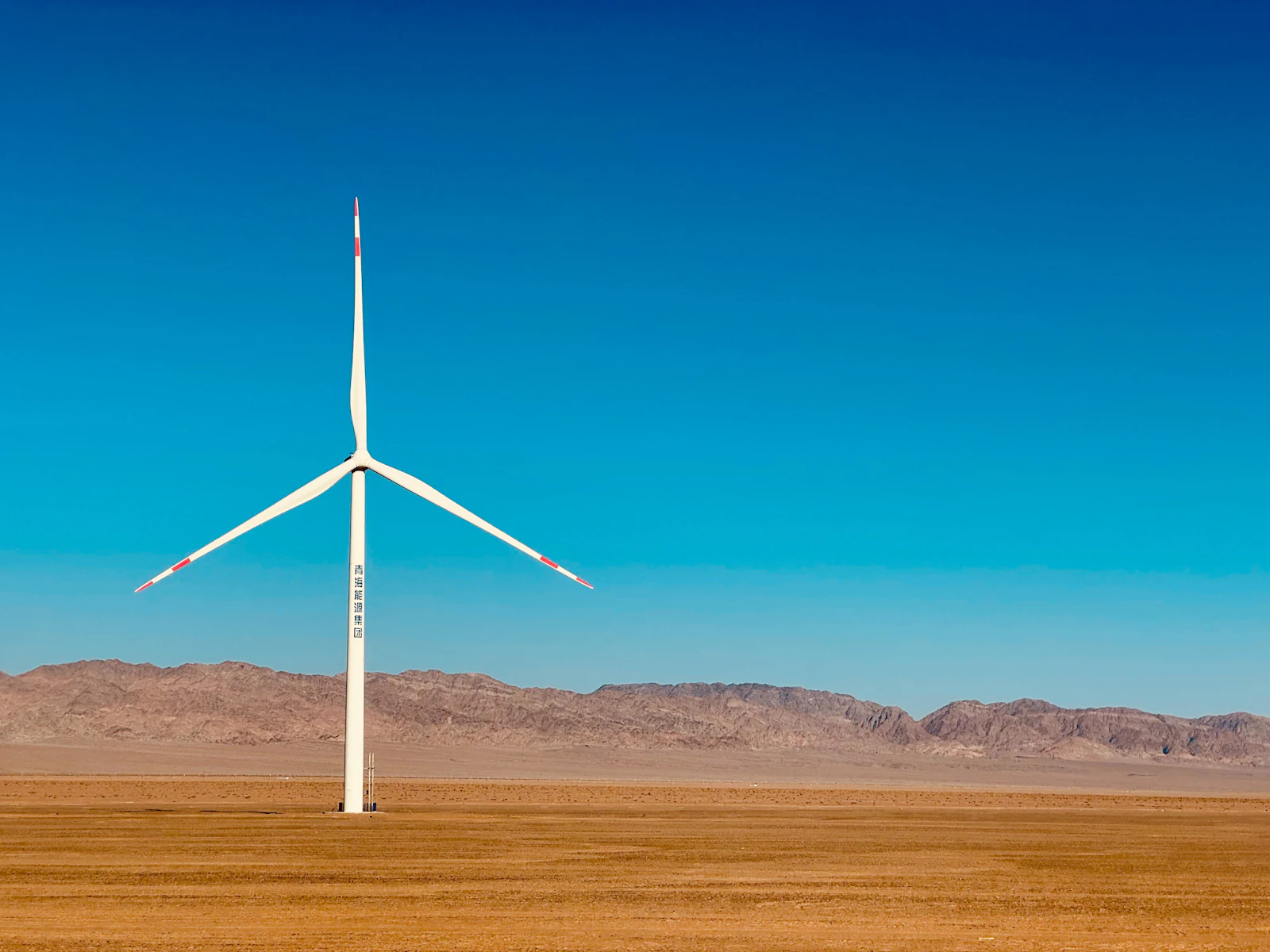
Generating, converting and carrying the energy a country runs on.
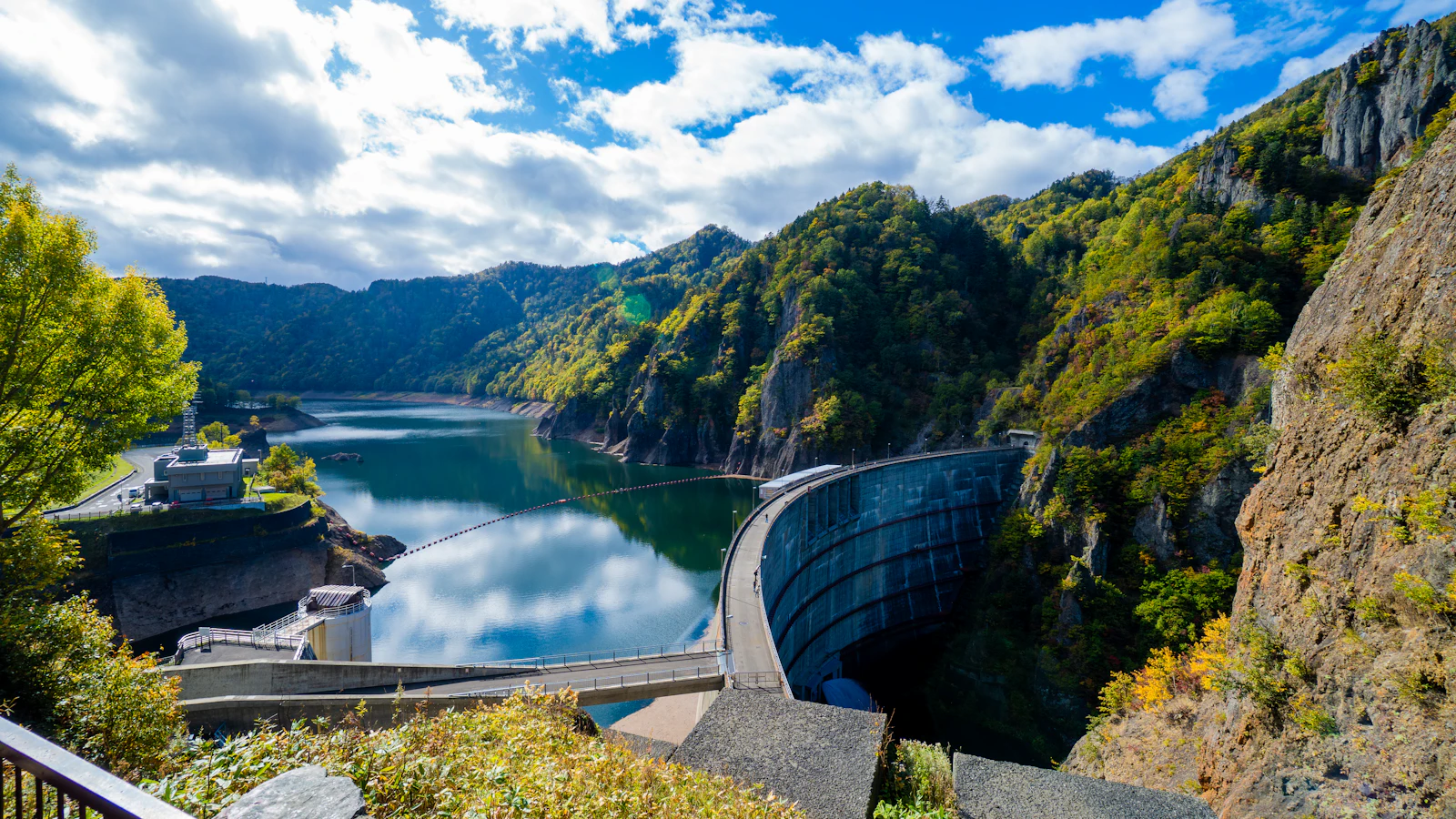
Dams, treatment plants and mines: engineering with the land itself.
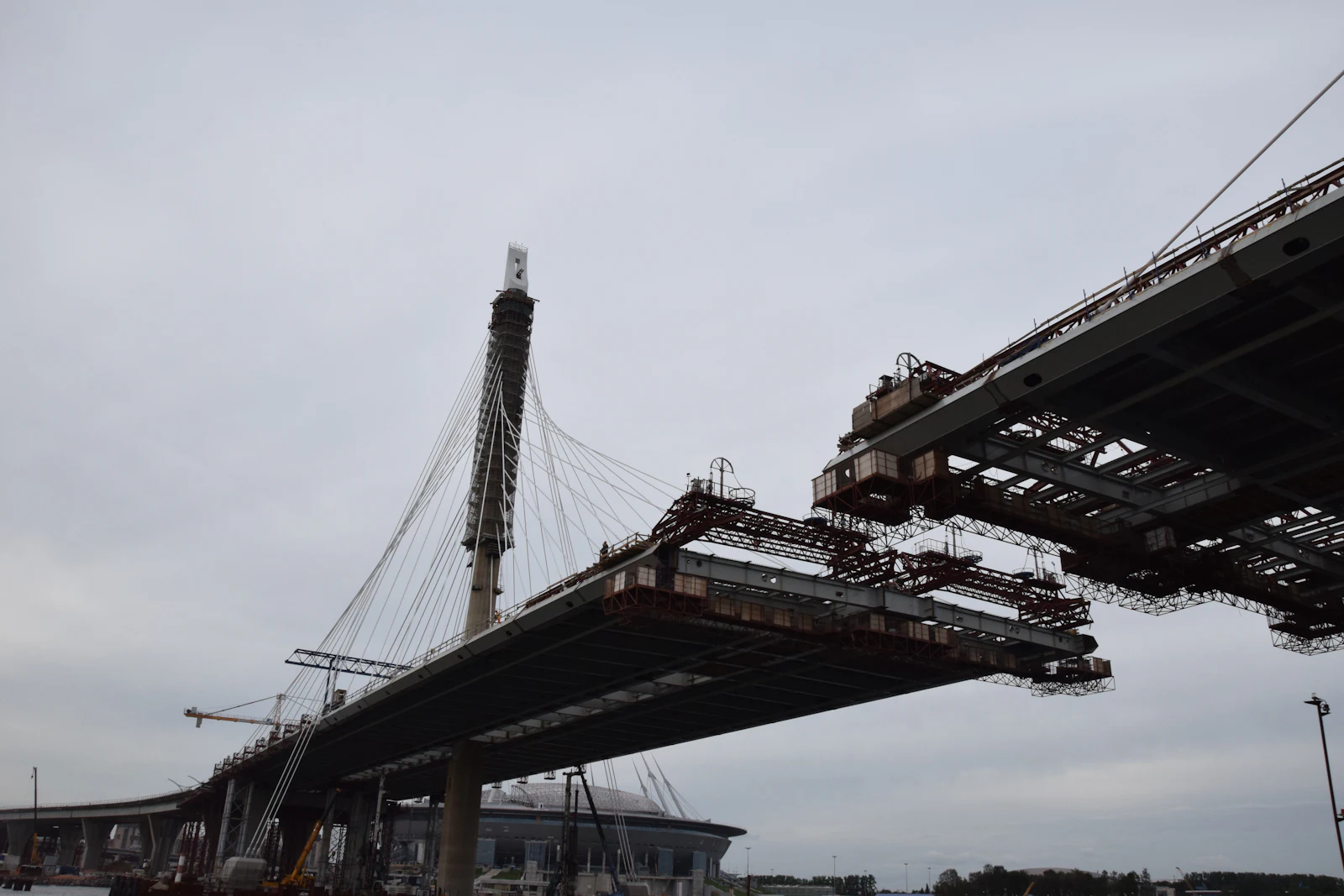
What stands up, what moves, and how to make it last.
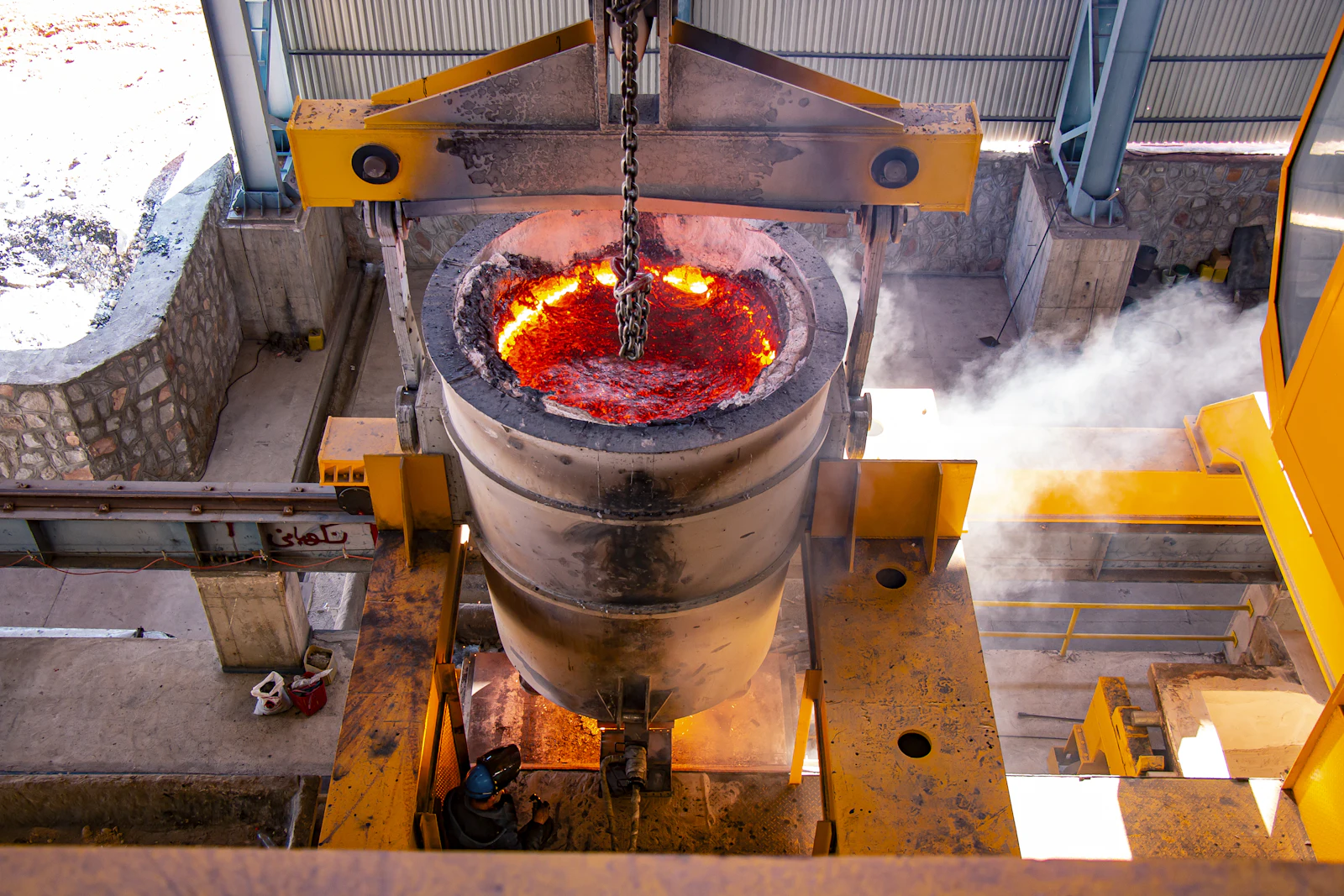
Transforming raw materials into fuels, metals and products.

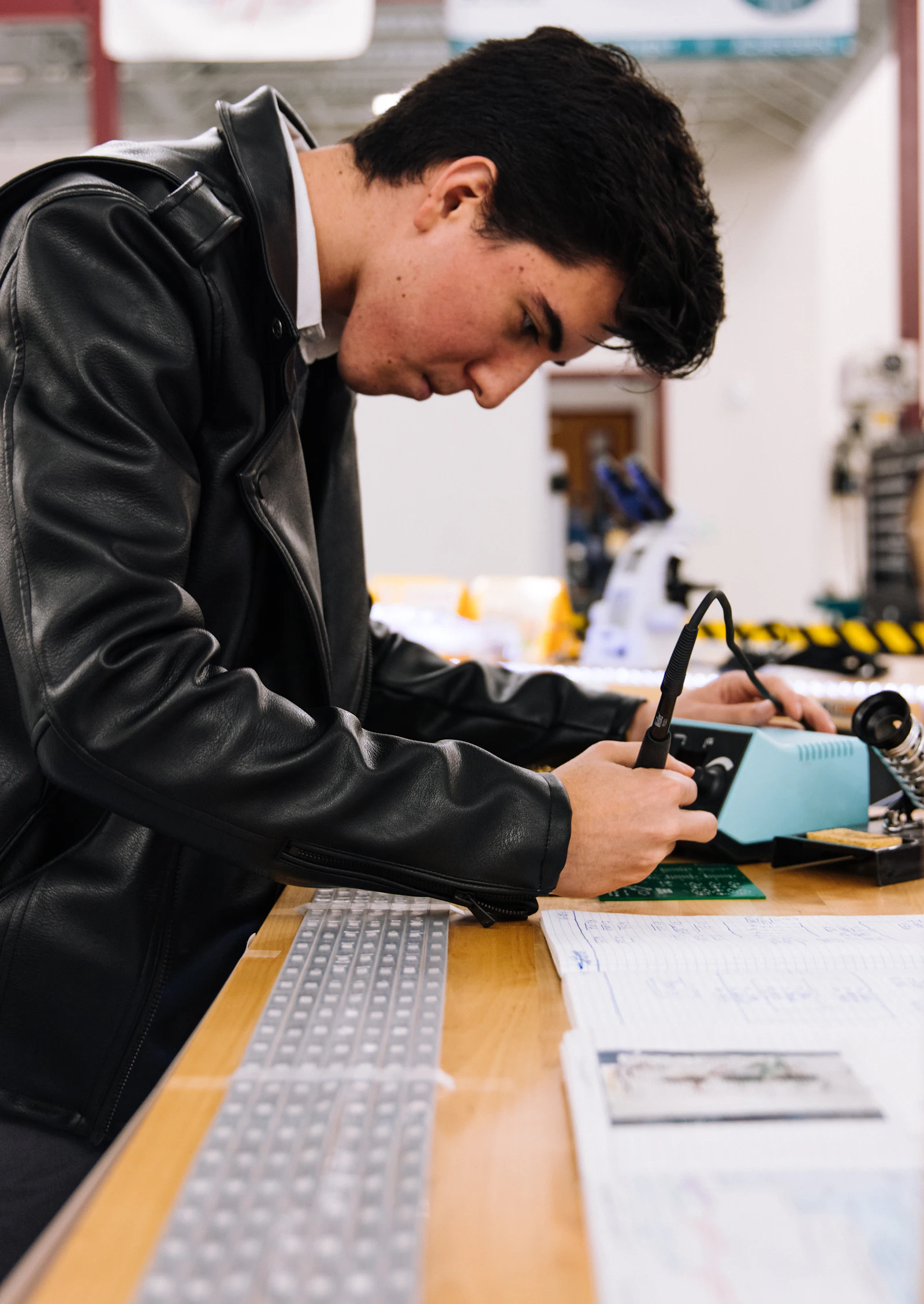
Circuits, control systems and data that make machines intelligent.
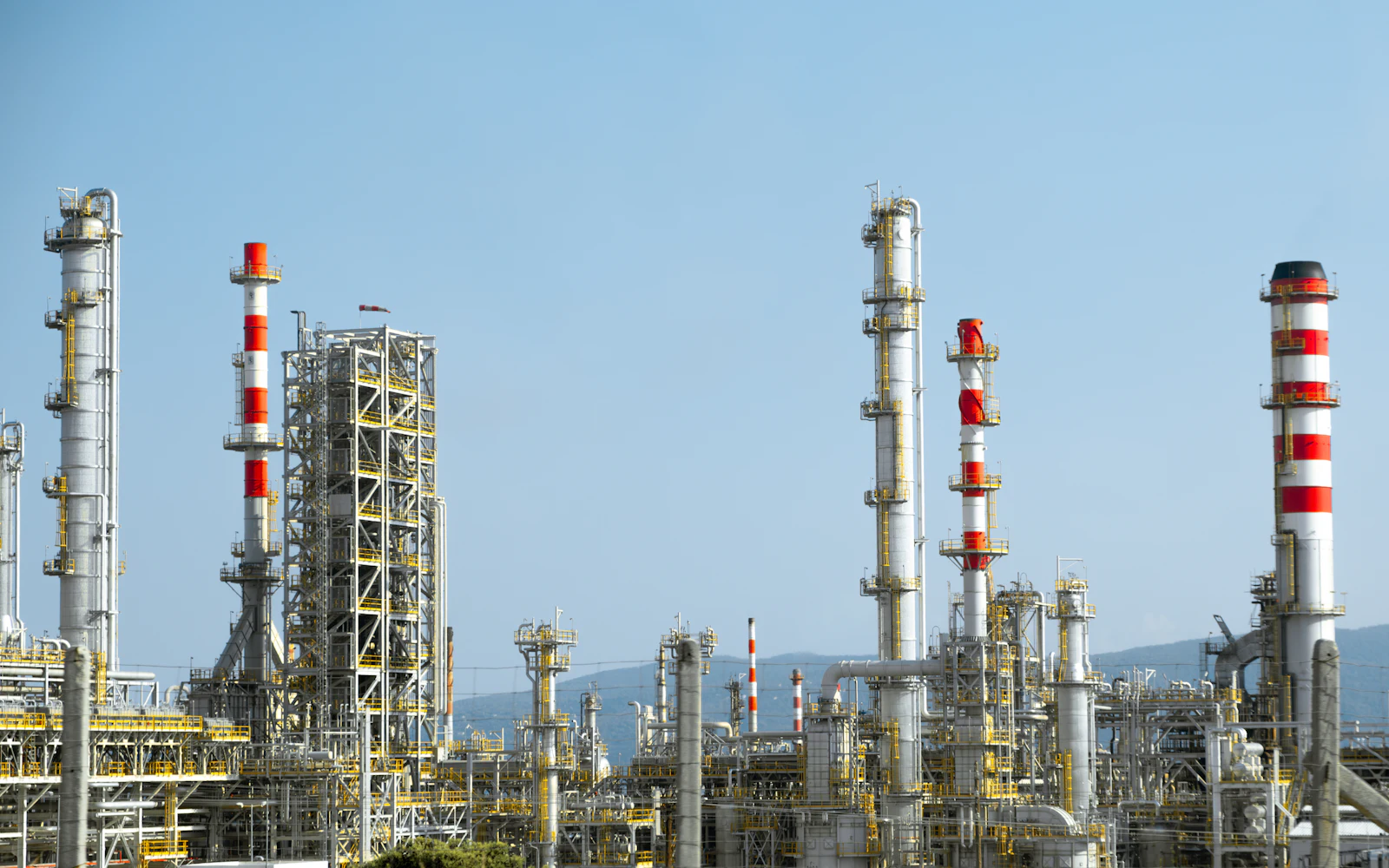
Running industrial systems well, and running them safely.
Rooted in Algiers
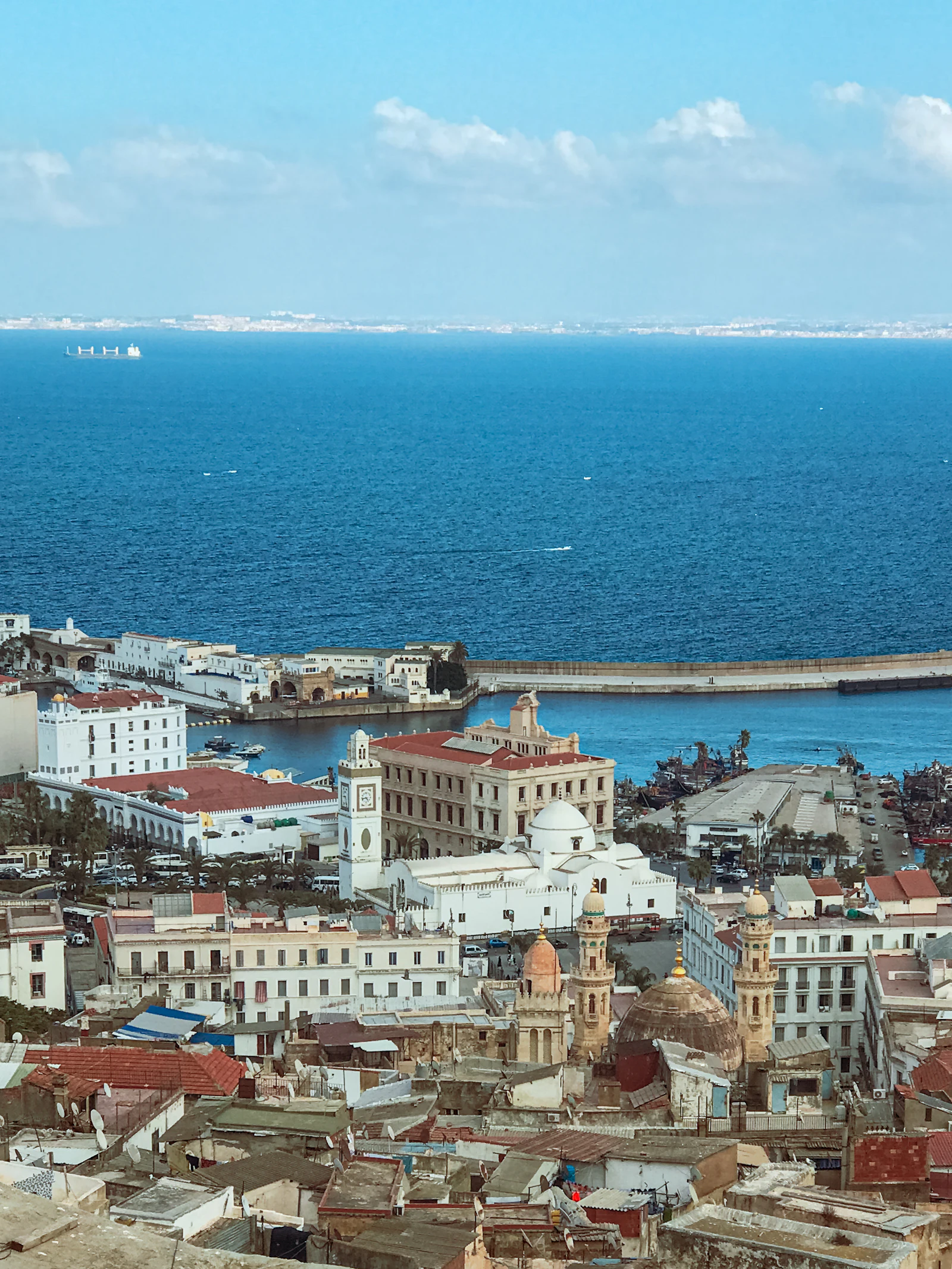
In El Harrach, on the eastern side of Algiers, the school sits close to the ministries, research centres and companies its graduates go on to lead.
About the schoolResearch
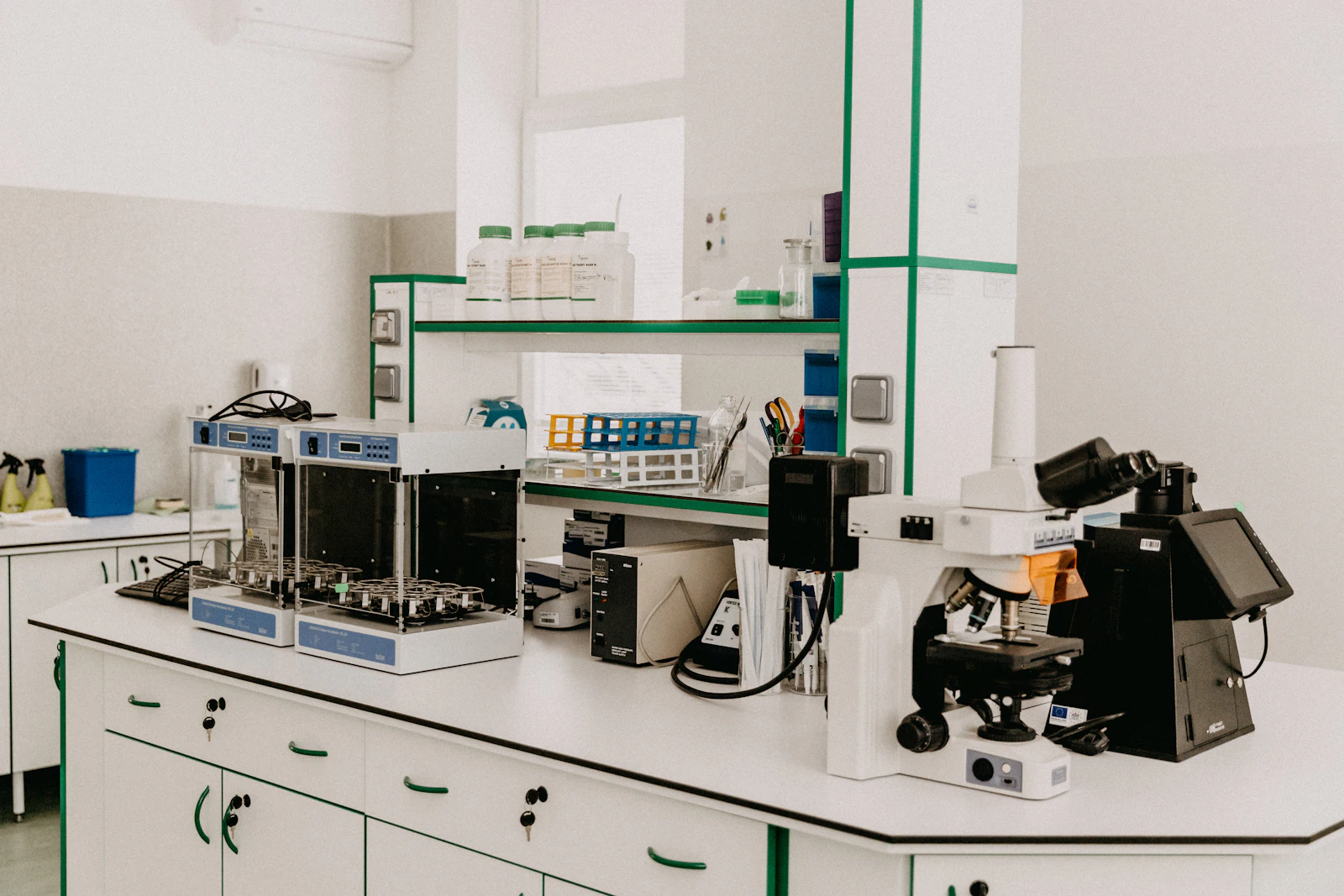
Water, energy and resources are the country’s great engineering challenges. The school’s twelve laboratories work on them, from earthquake-resistant structures to photovoltaic conversion and water sciences.
Explore researchIn figures
Figures as published by the school, 2026.
A century, drawn
1925
The school is founded to train senior technicians for the major public services, industry and public works.
1963
A ministerial decree of 25 June 1963 gives the school its present name and mission.
1998
Water becomes a specialty of its own, in a country where every drop counts.
2020
A specialty opens for engineers who build models that learn from data.
2023
Green hydrogen joins the programme, building on the country’s solar resource.
2025
A century after its founding, the school counts more than 11,700 graduates.
Recent highlights
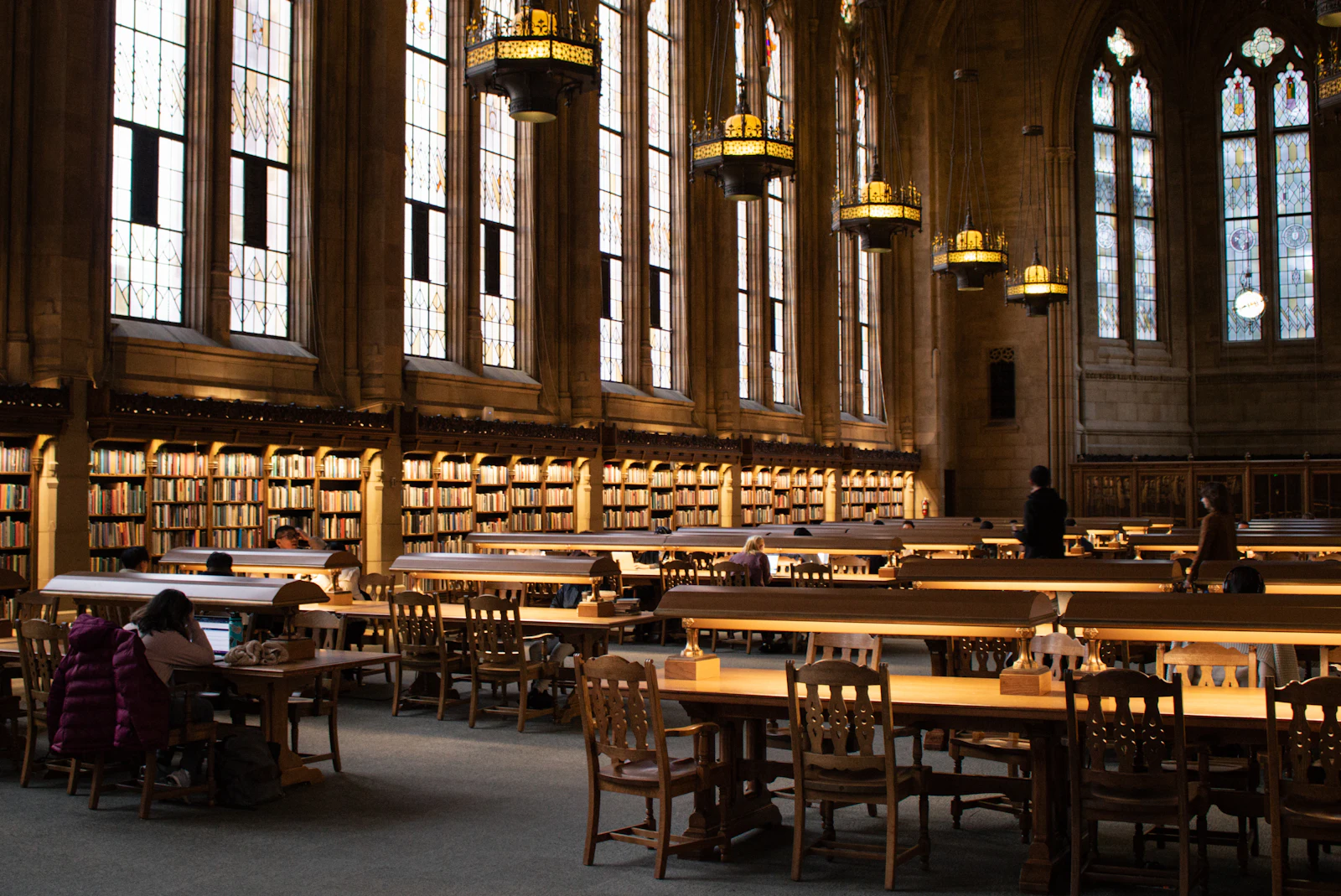
Holders of a master’s or engineering degree can now register for the national doctoral competition.
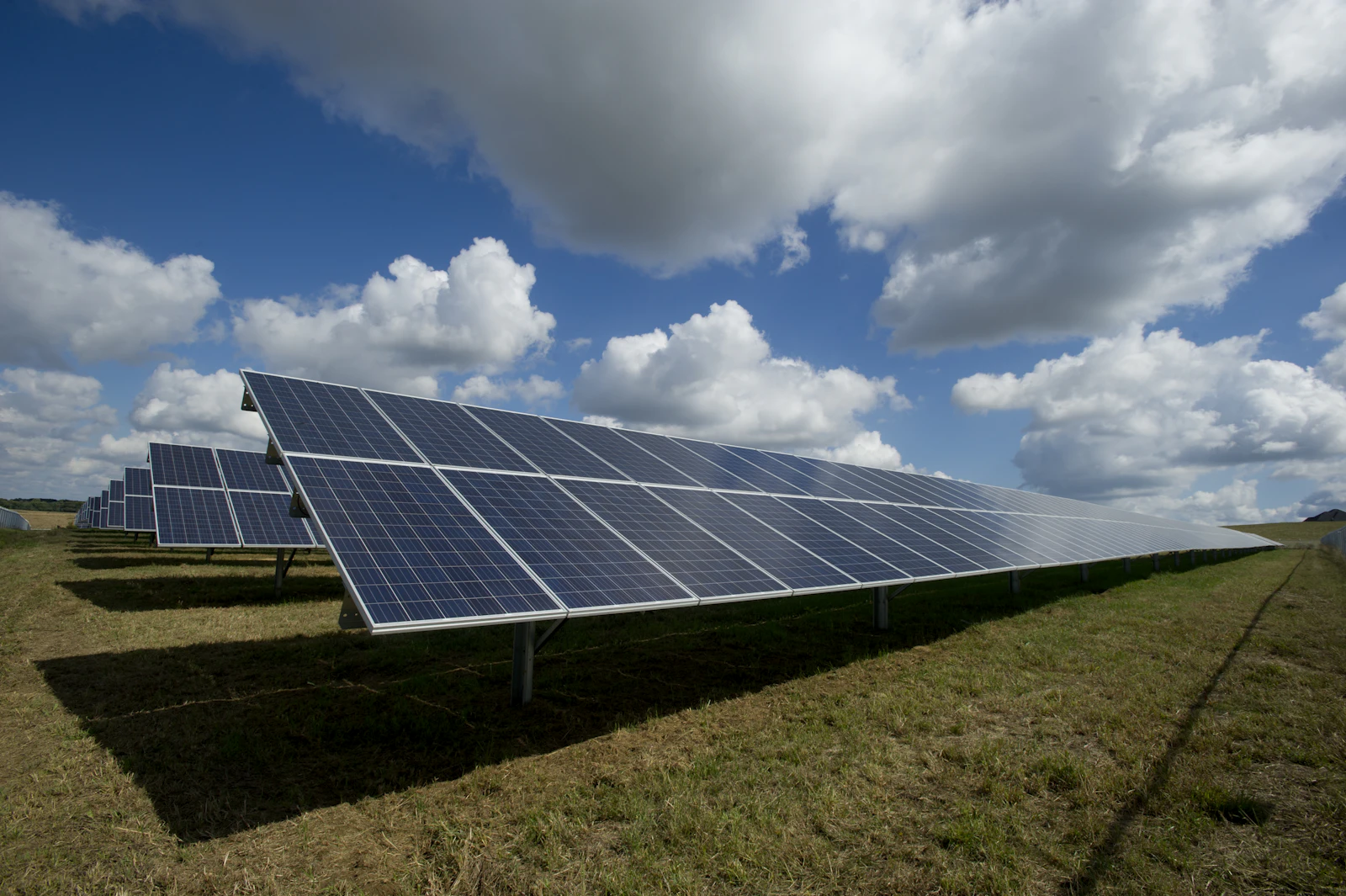
A monthly series on producing, storing and using green hydrogen, open to students and researchers.
Baccalaureate candidates and their families are invited to visit the laboratories and talk to students.