Civil Engineering
Génie civil
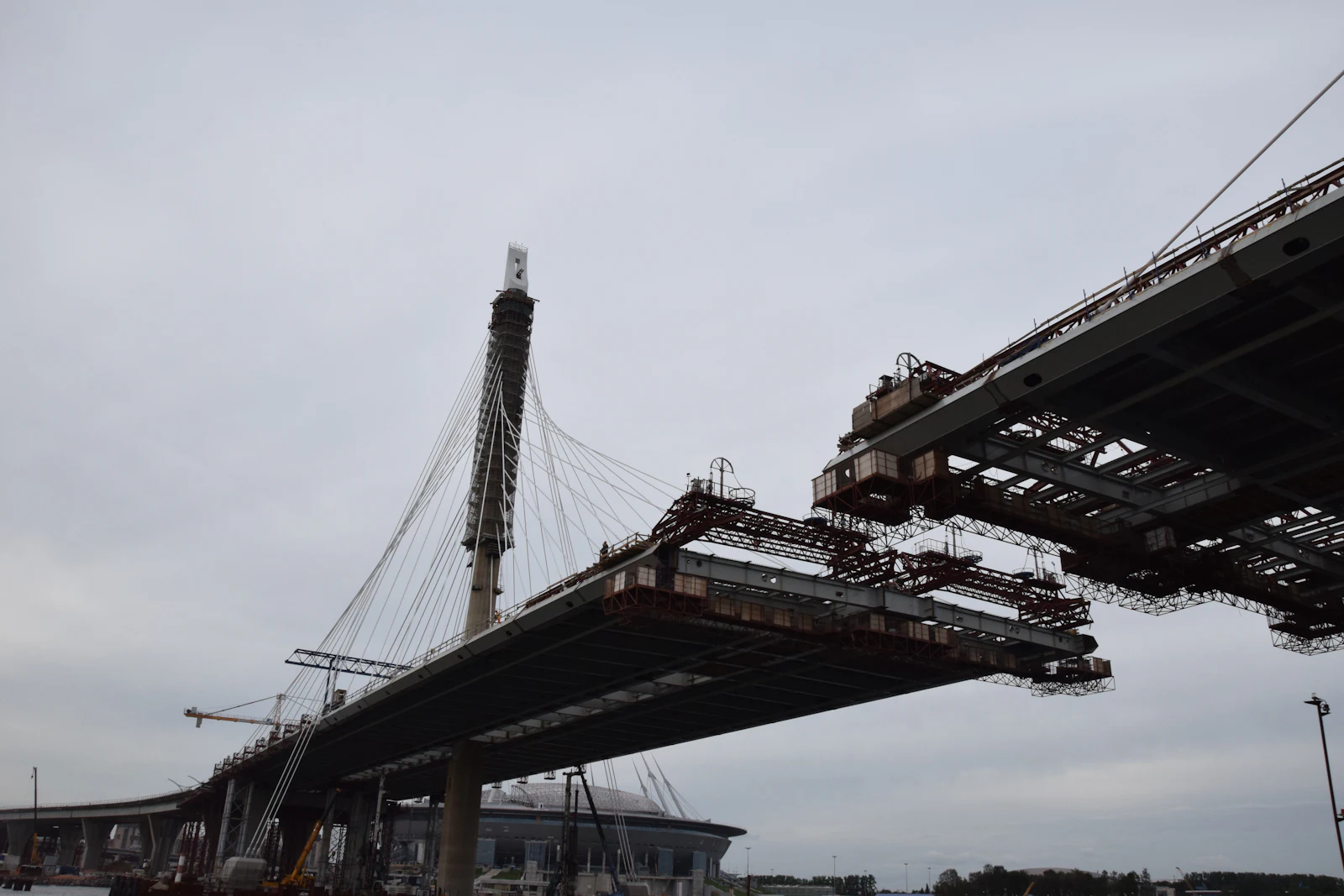
Design and build the structures a country stands on: bridges, buildings, roads.
Programmes
Every Polytechnicien follows the same demanding route: a preparatory cycle in science and technology, a national competitive exam, then three years in one of the school’s engineering specialties.
The route
Five years to the engineering degree, three more for a doctorate.
Mathematics, experimental sciences or technical mathematics stream
Two years of science and technology (CPST-ENP)
Concours national commun for the engineering schools
Three years in one specialty
Engineering degree, with a Master 2 (bac + 5)
bac + 5Doctoral studies in a research laboratory (bac + 8)
bac + 8Fourteen specialties, one skyline
All specialties
Génie civil
Design and build the structures a country stands on: bridges, buildings, roads.
Hydraulique
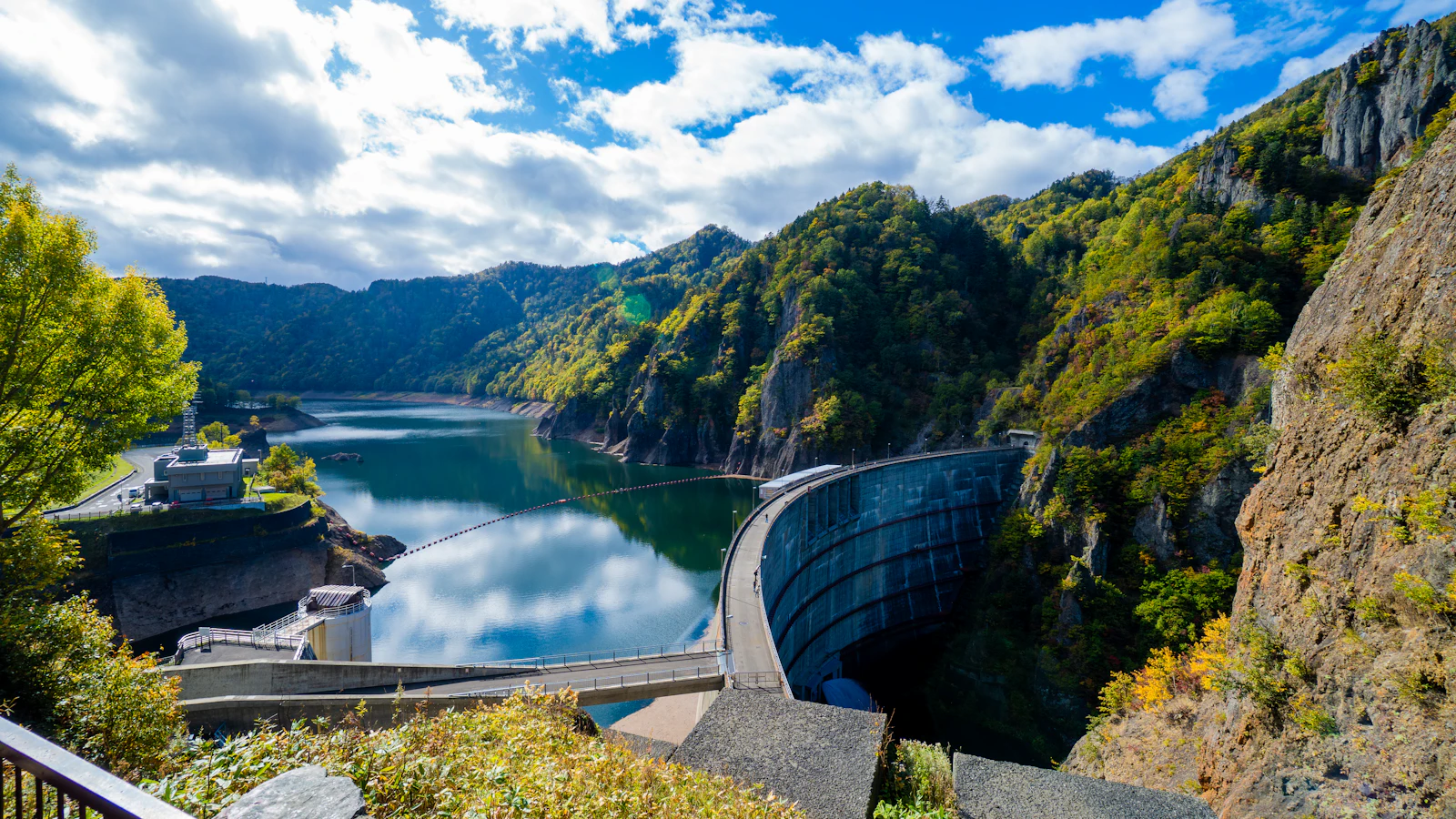
Store, move and protect water: dams, networks, irrigation and flood control.
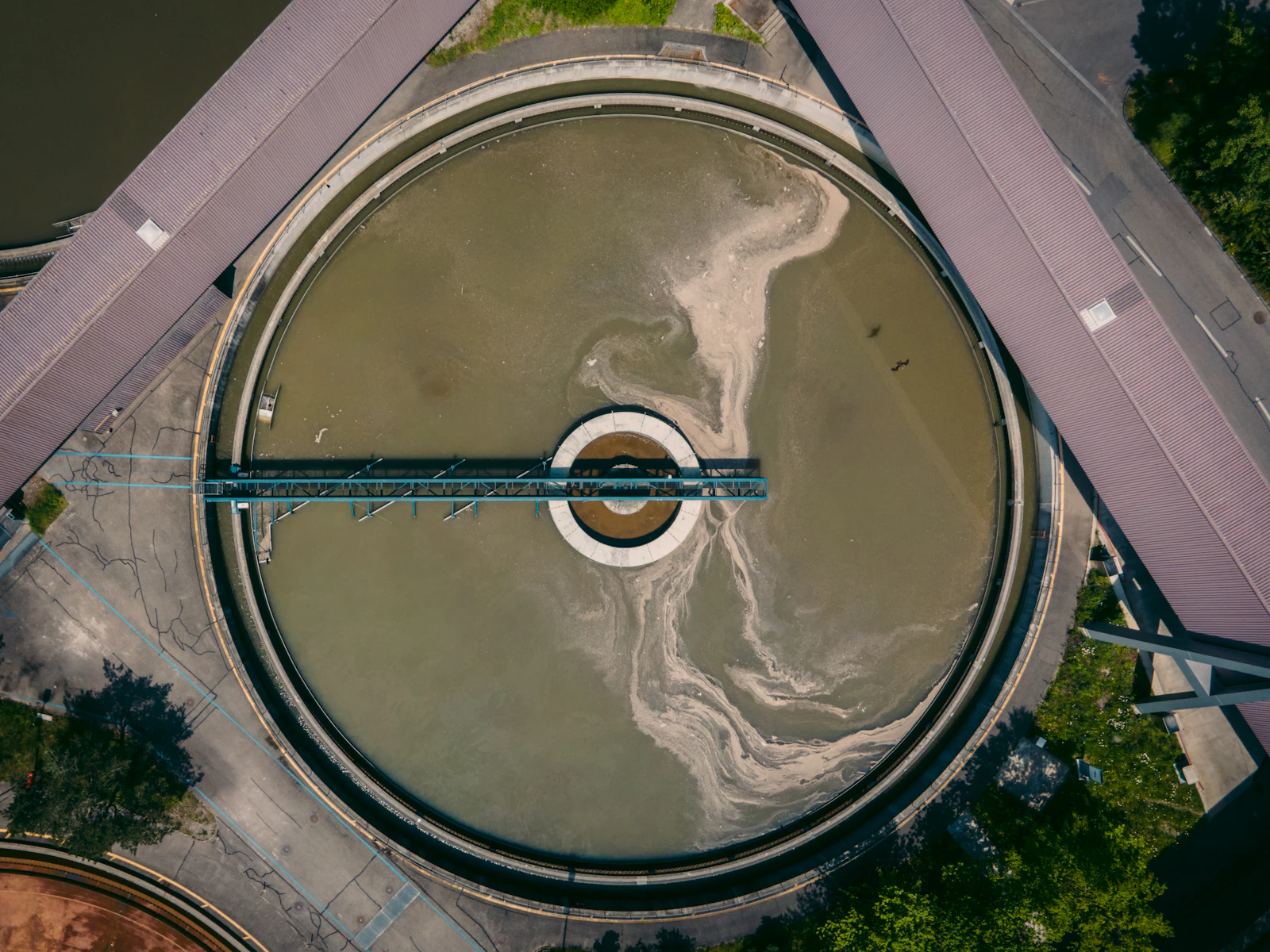
Génie de l’environnement
Treat water, air and waste, and design processes that pollute less.
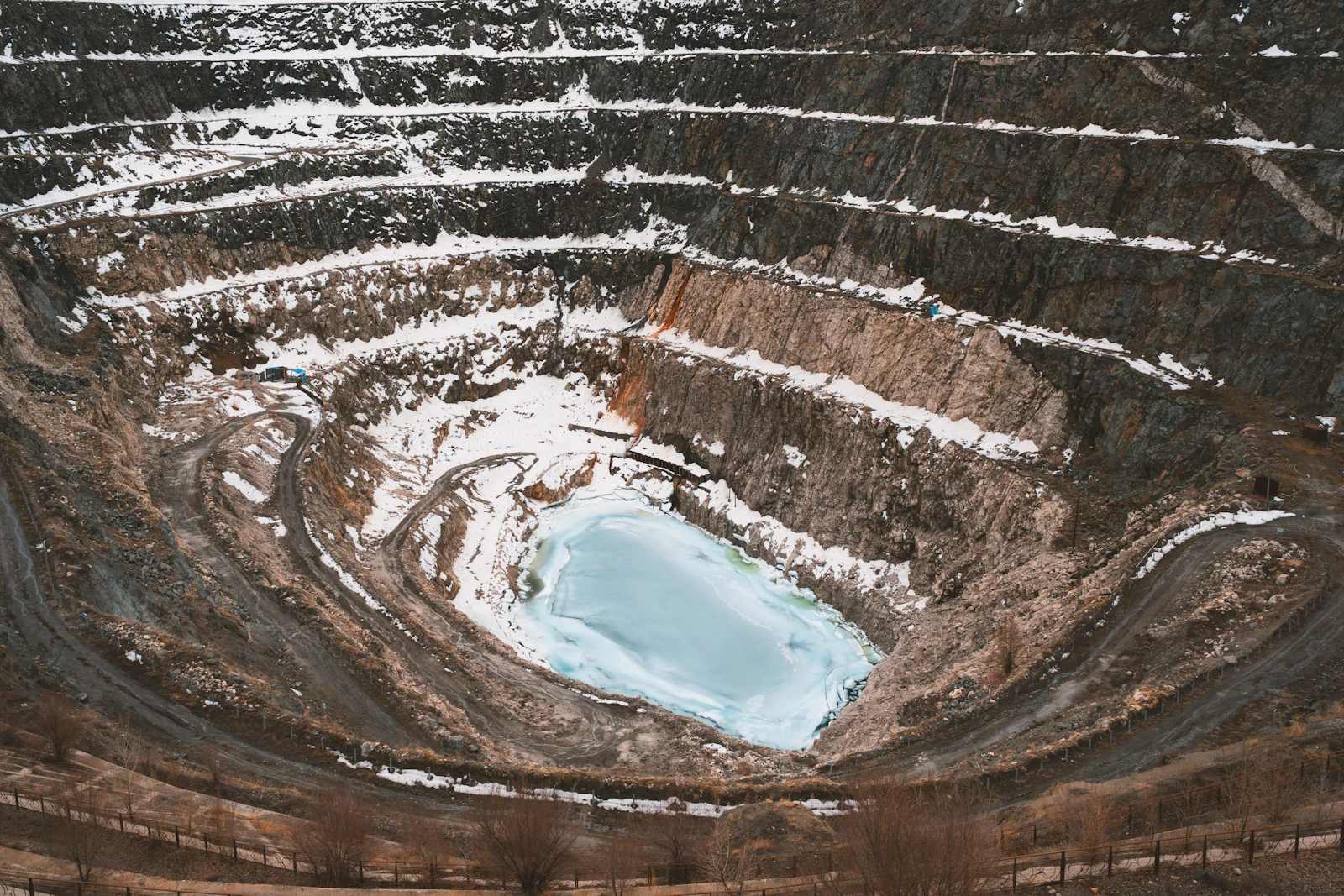
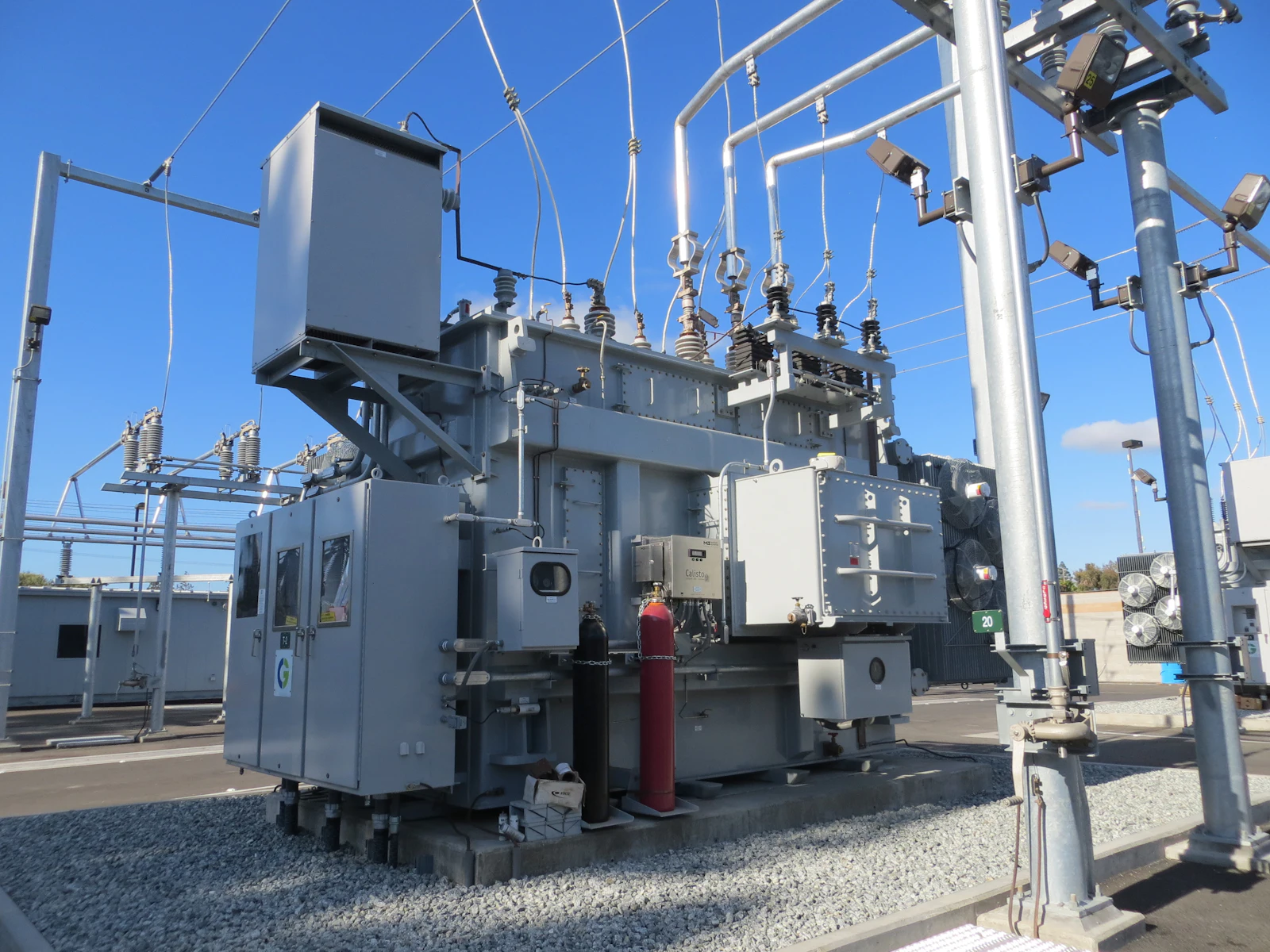
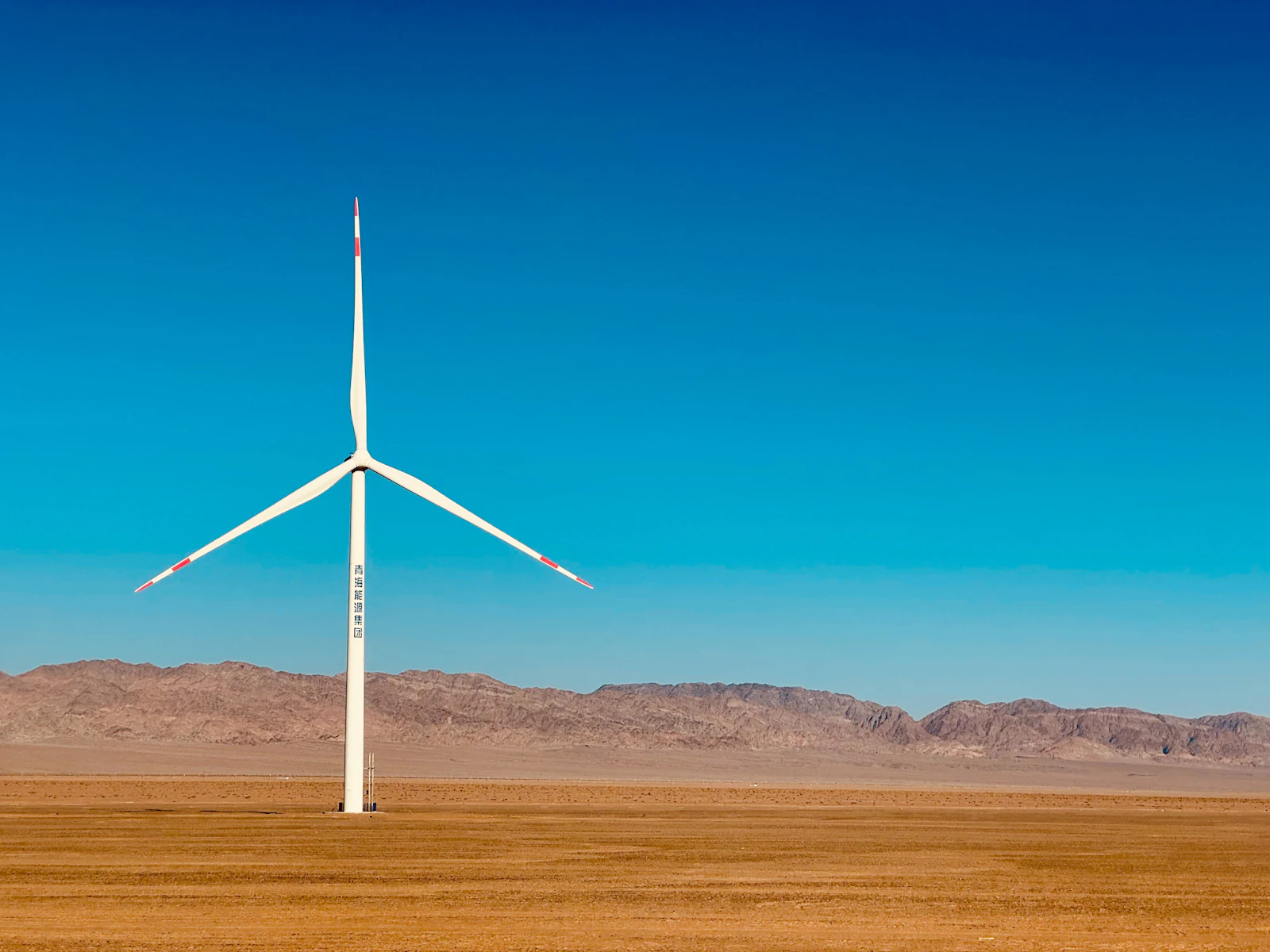
Technologie de l’hydrogène
Produce, store and use green hydrogen made from renewable power.
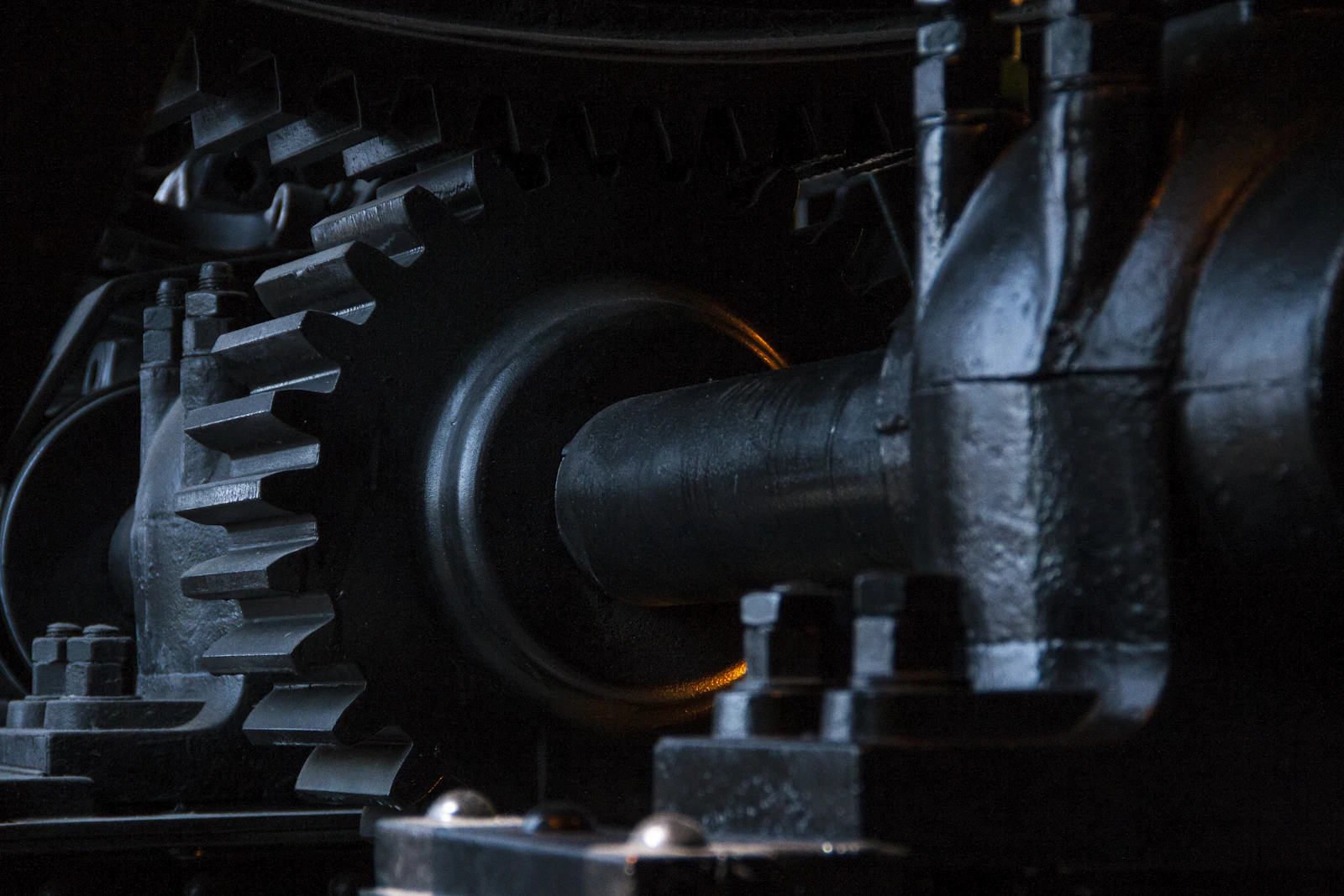
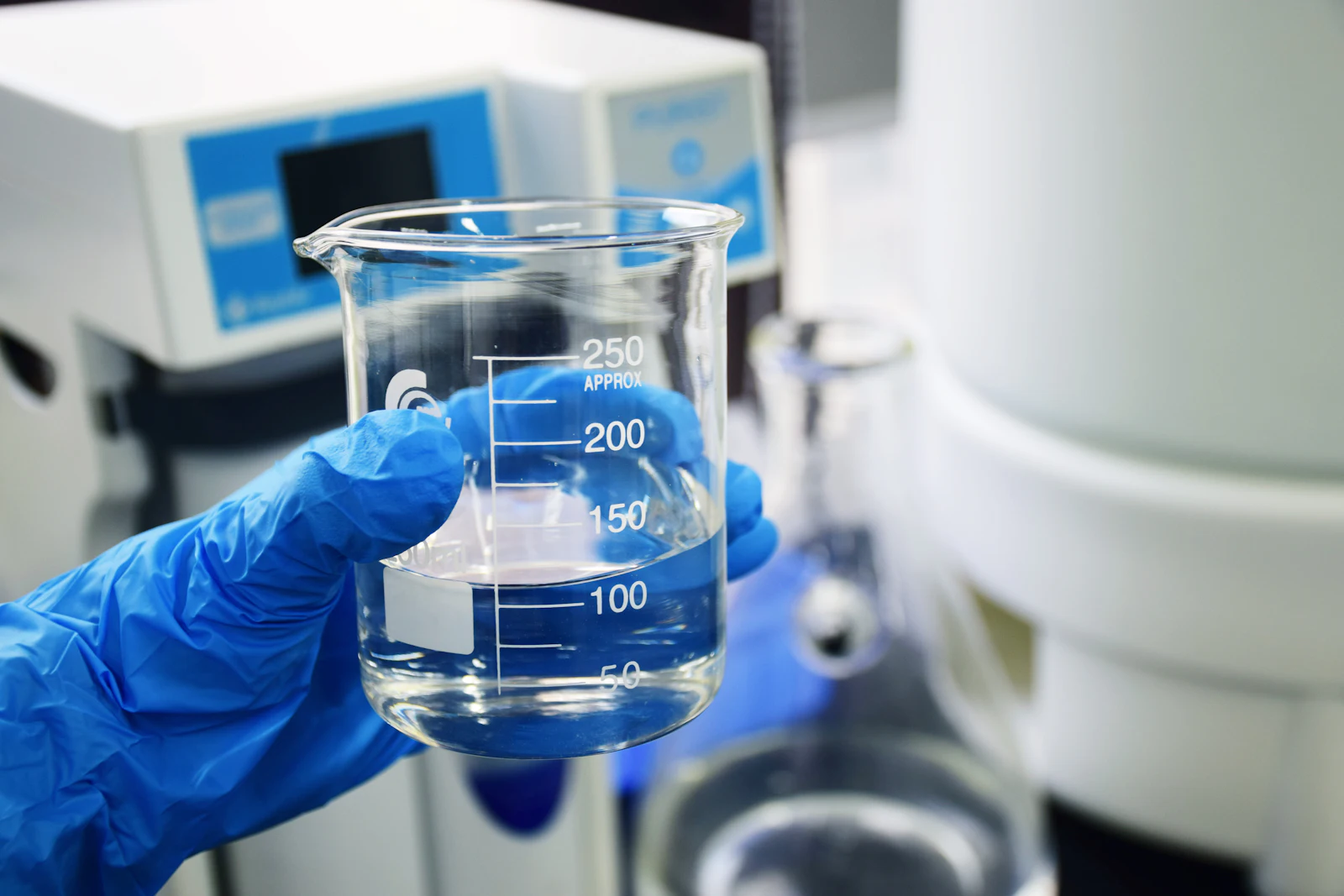
Génie chimique
Turn raw materials into fuels, chemicals and products, at industrial scale.
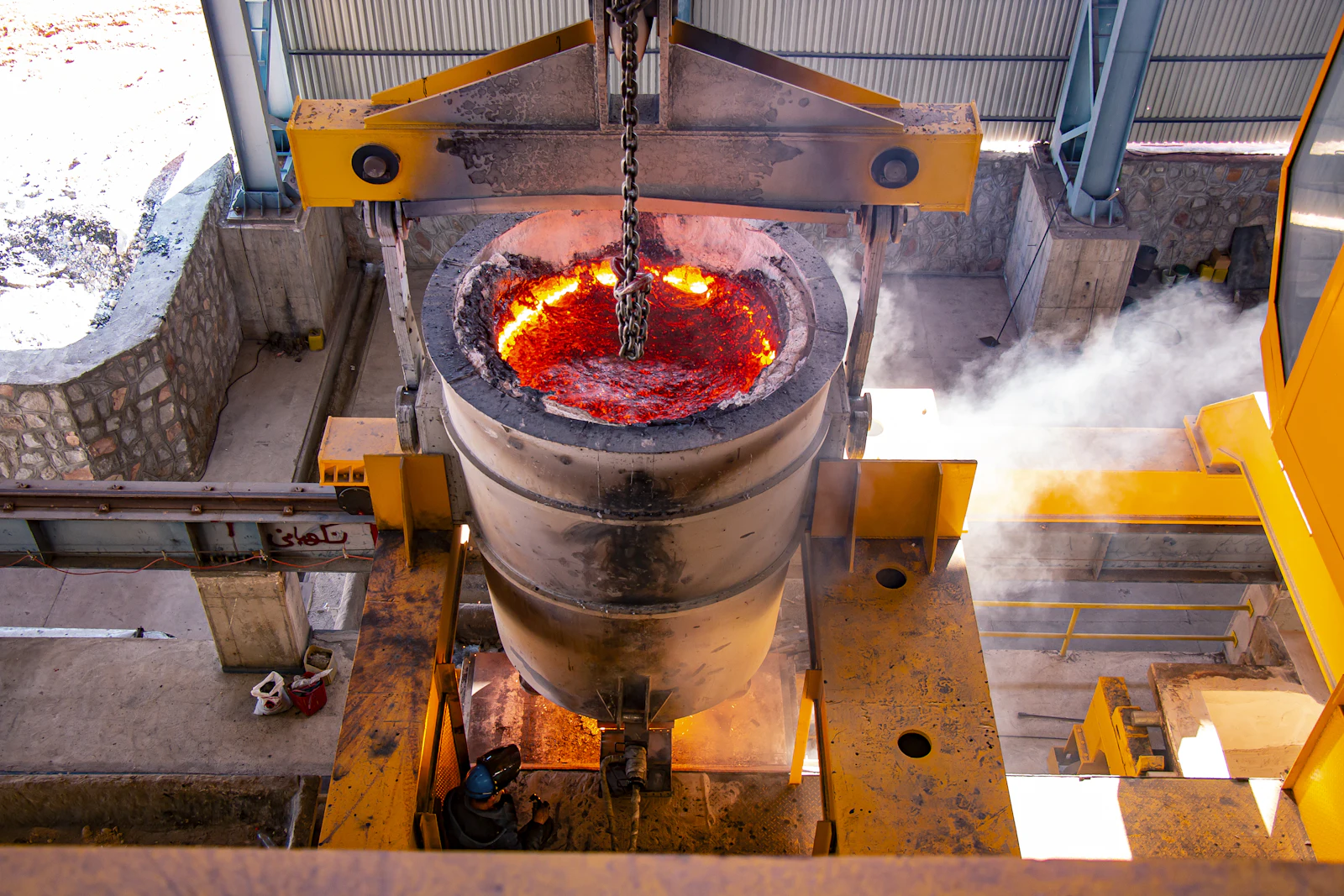
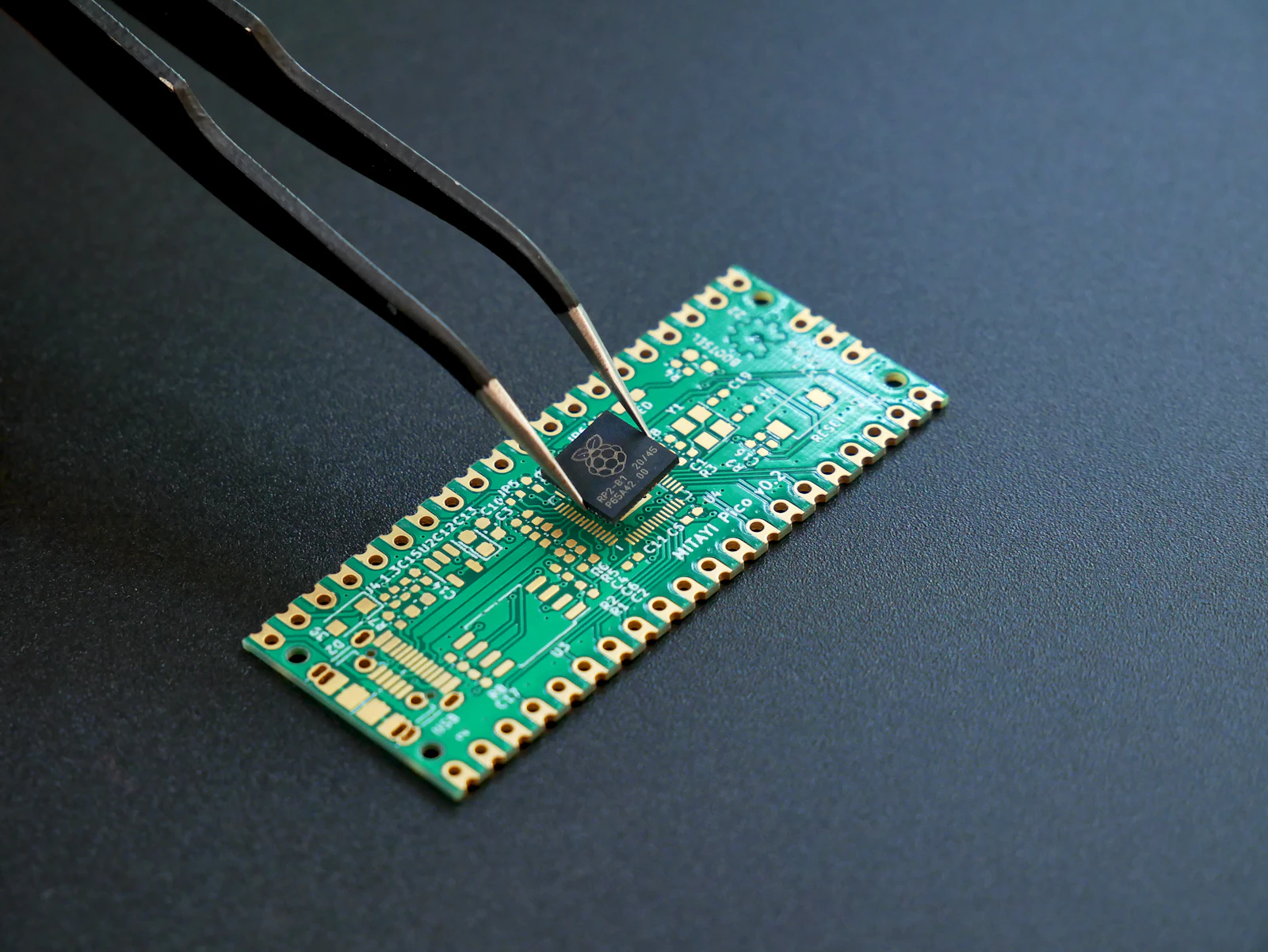
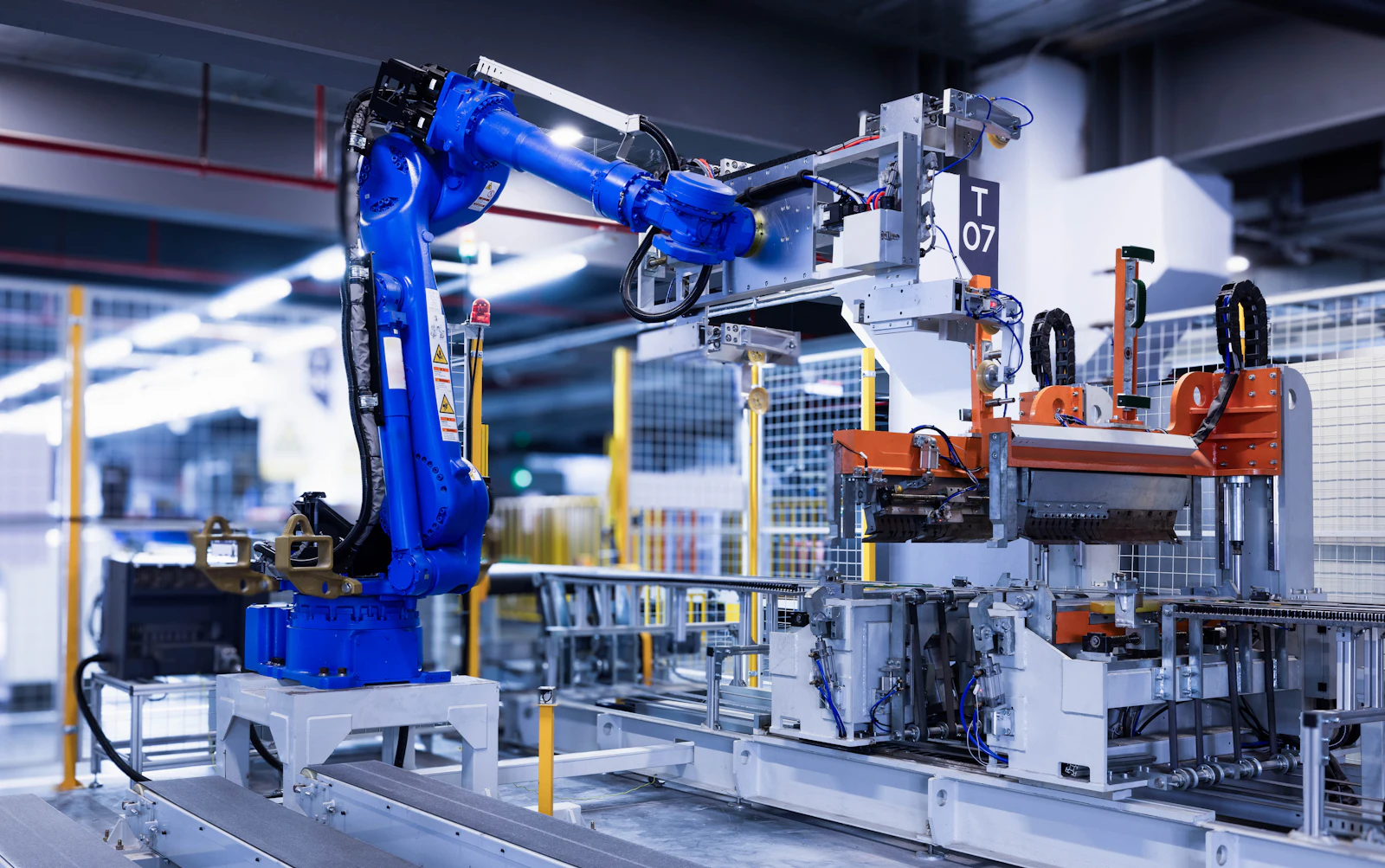

Data science et intelligence artificielle
Build models that learn from data, and engineer the systems that run them.
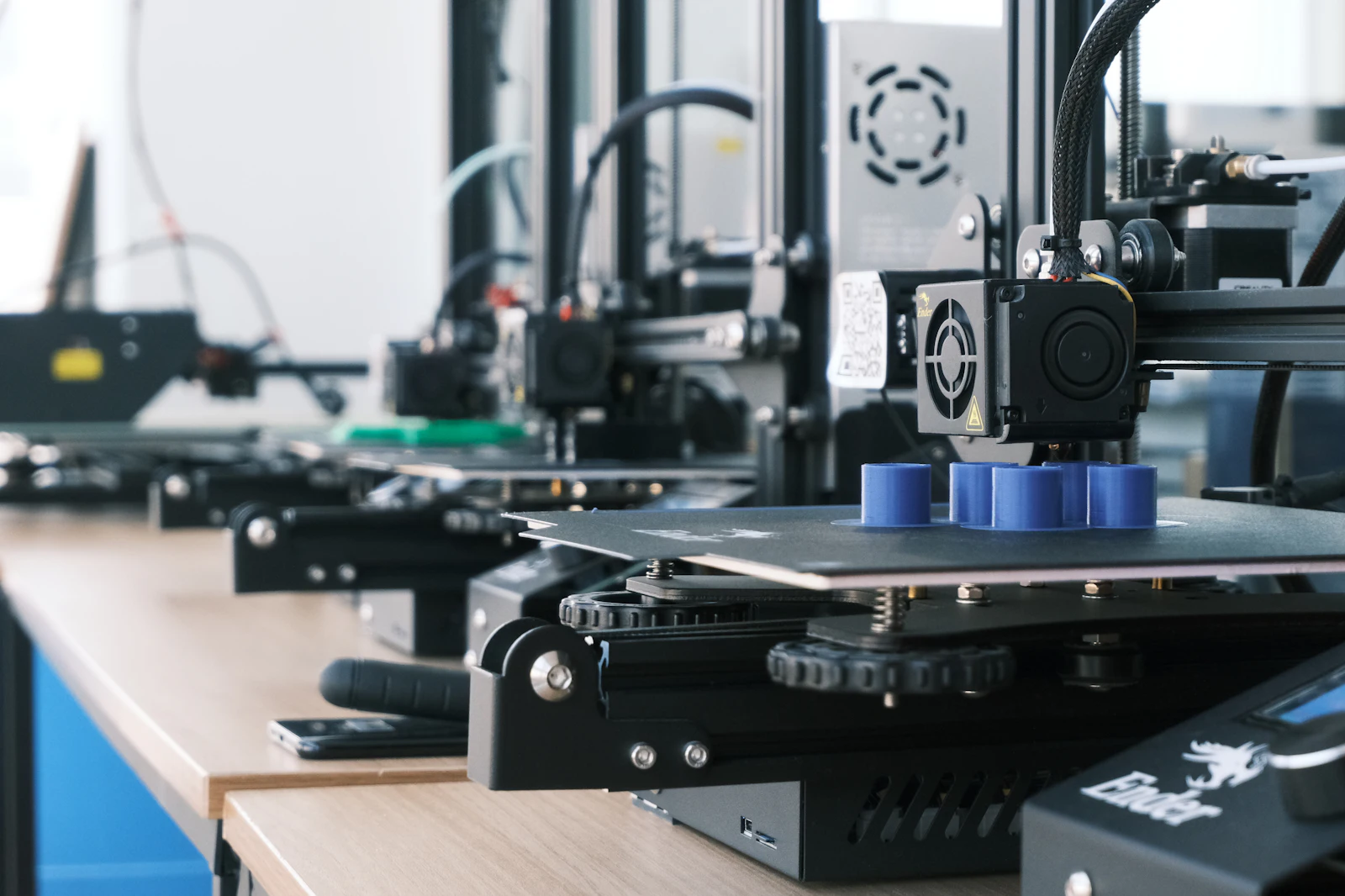
Génie industriel
Organise production, logistics and quality so systems run well.
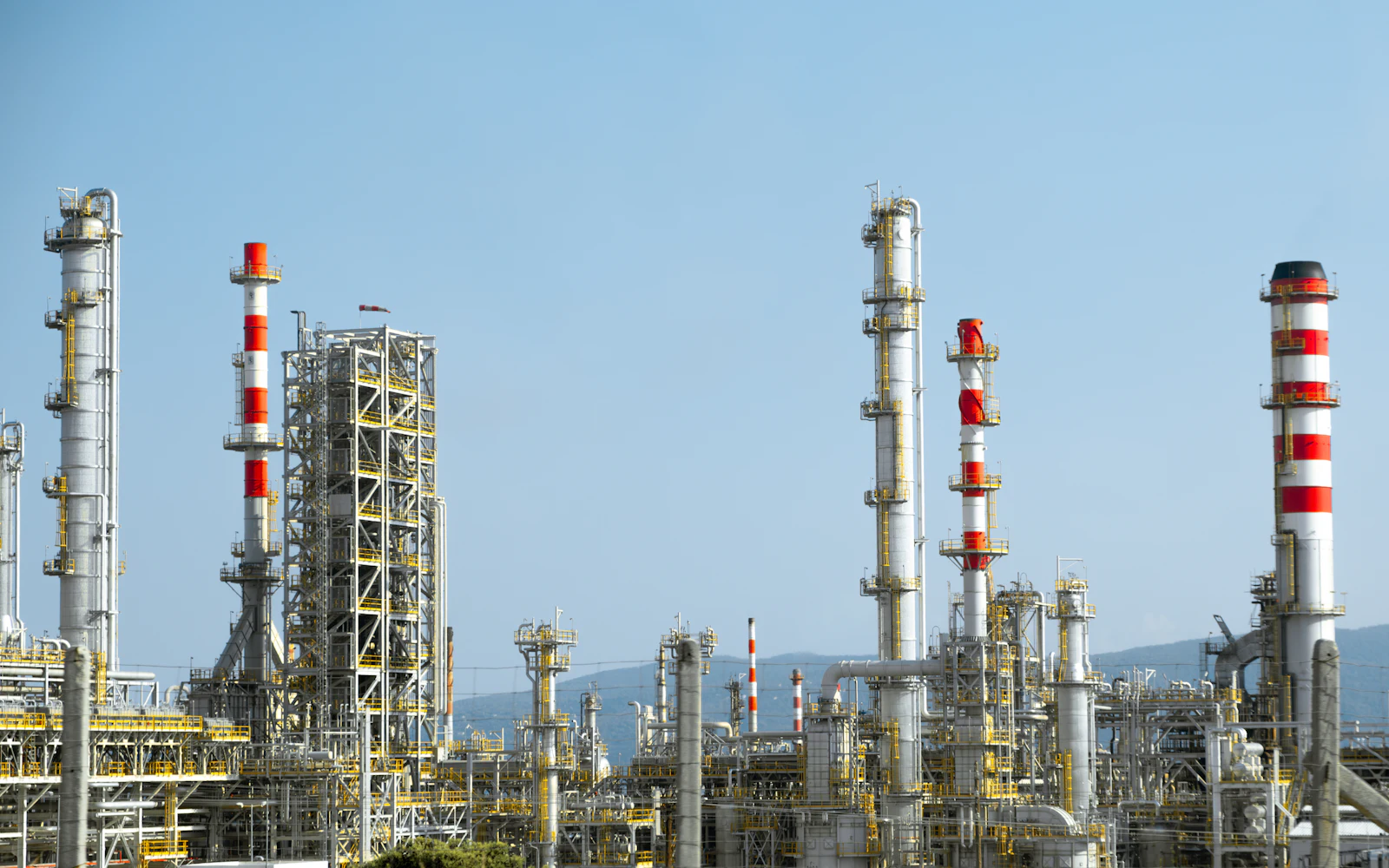
Qualité, hygiène, sécurité, environnement – gestion des risques industriels
Prevent accidents and manage quality, health, safety and environmental risk.
Years 1–2
The school runs its own preparatory class in science and technology, the CPST-ENP, open directly after the baccalaureate to students with a very high average in the mathematics, experimental sciences or technical mathematics streams.
Two intensive years of mathematics, physics, chemistry, computing and engineering drawing lead to the national competitive exam for the engineering schools.
Beyond the degree
The engineering degree is awarded together with a Master 2 at bac + 5, and specialised master’s programmes extend the training.
A significant share of graduates continue into research. Doctoral candidates are admitted through a national competition and prepare their thesis in one of the school’s laboratories.