Living with pets and plants
Which plants are safe around cats and dogs, how we label them, and what to do if something gets chewed.
How we label pet safety
Our “Pet-safe” label means the plant, or in a few cases its close relatives, is listed as non-toxic to cats and dogs by the ASPCA, the American animal welfare charity that keeps the most widely used lists.
“Not pet-safe” means the plant can irritate the mouth and stomach, or worse, if chewed. Where we are not confident either way, we say so and make no claim.
Plants that are easy to live with
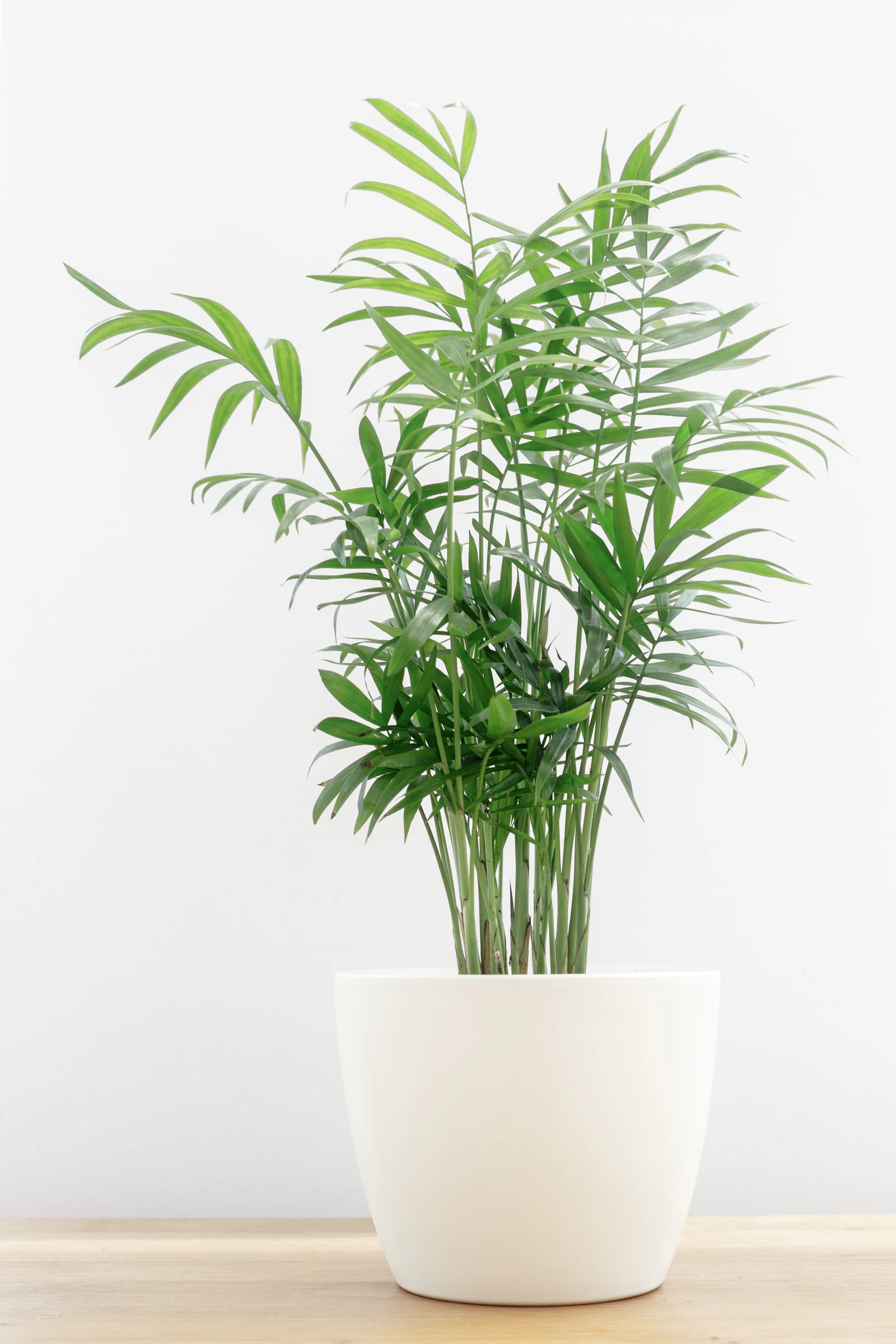
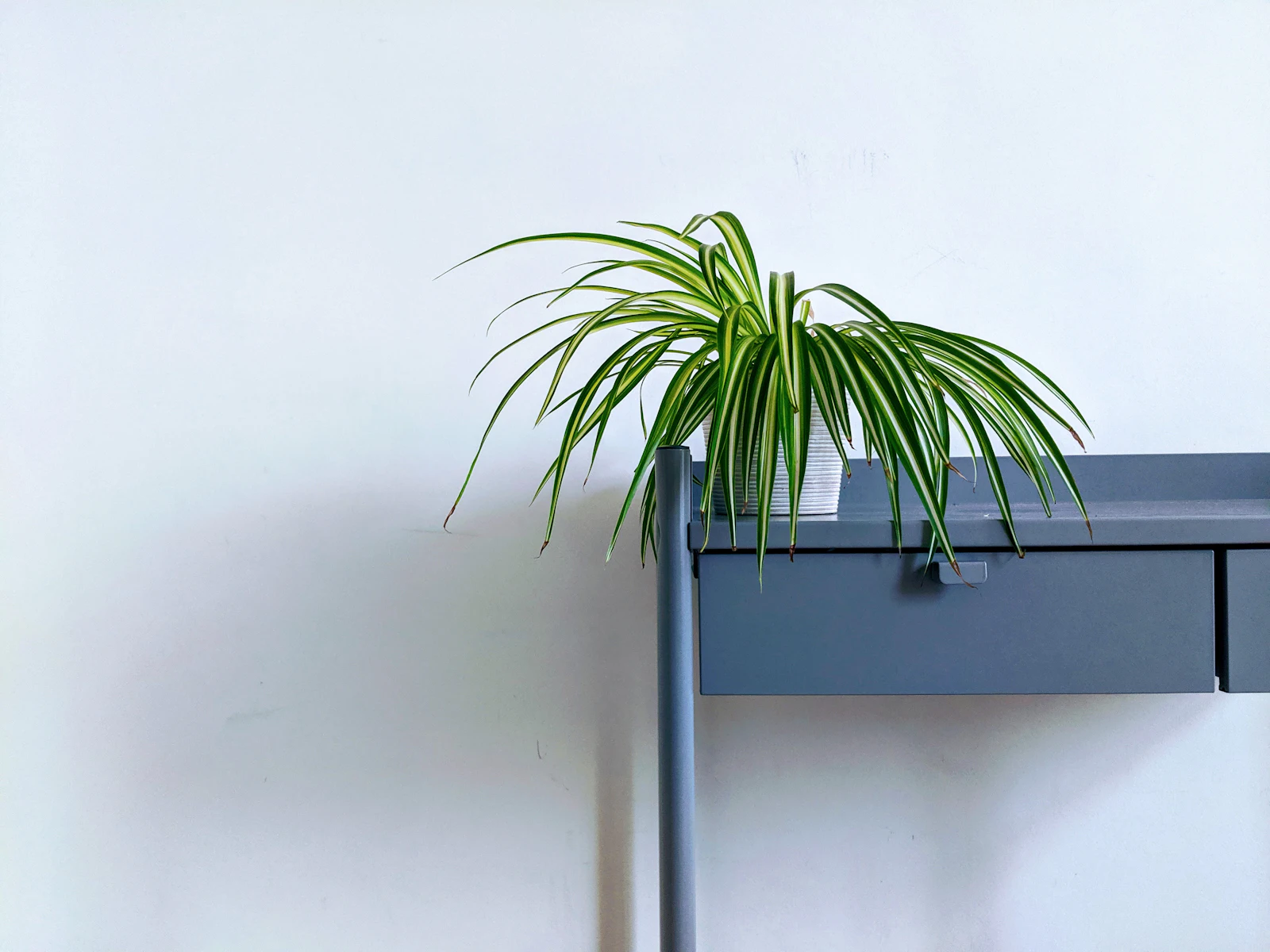
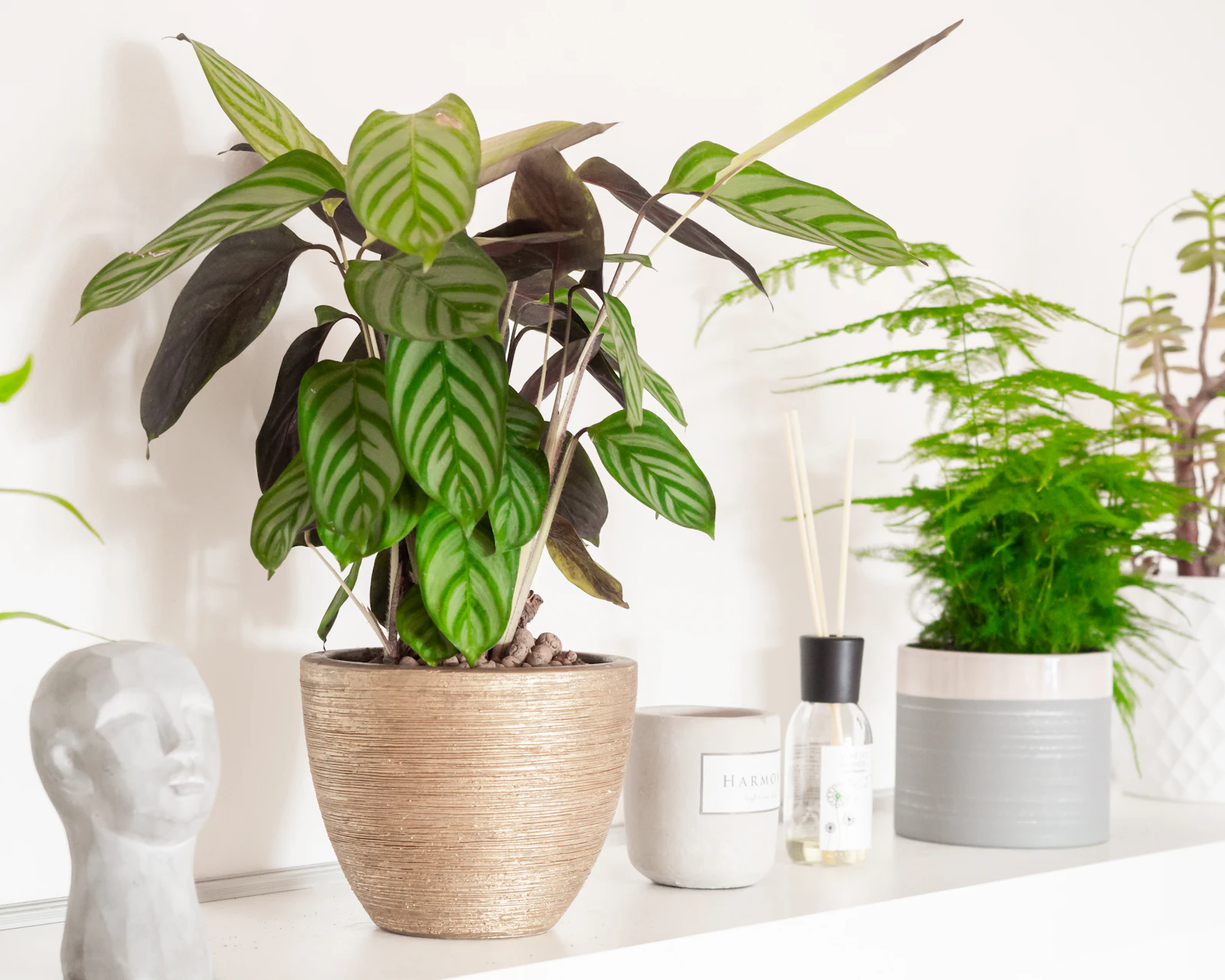
Parlour palms, spider plants, calatheas and zebra haworthias are all listed as non-toxic, and between them cover everything from a dim corner to a sunny sill.
Non-toxic does not mean edible: a cat that eats a lot of any plant may still be sick. Keep favourites out of reach if your pet is a dedicated chewer.
Placing plants that are not pet-safe
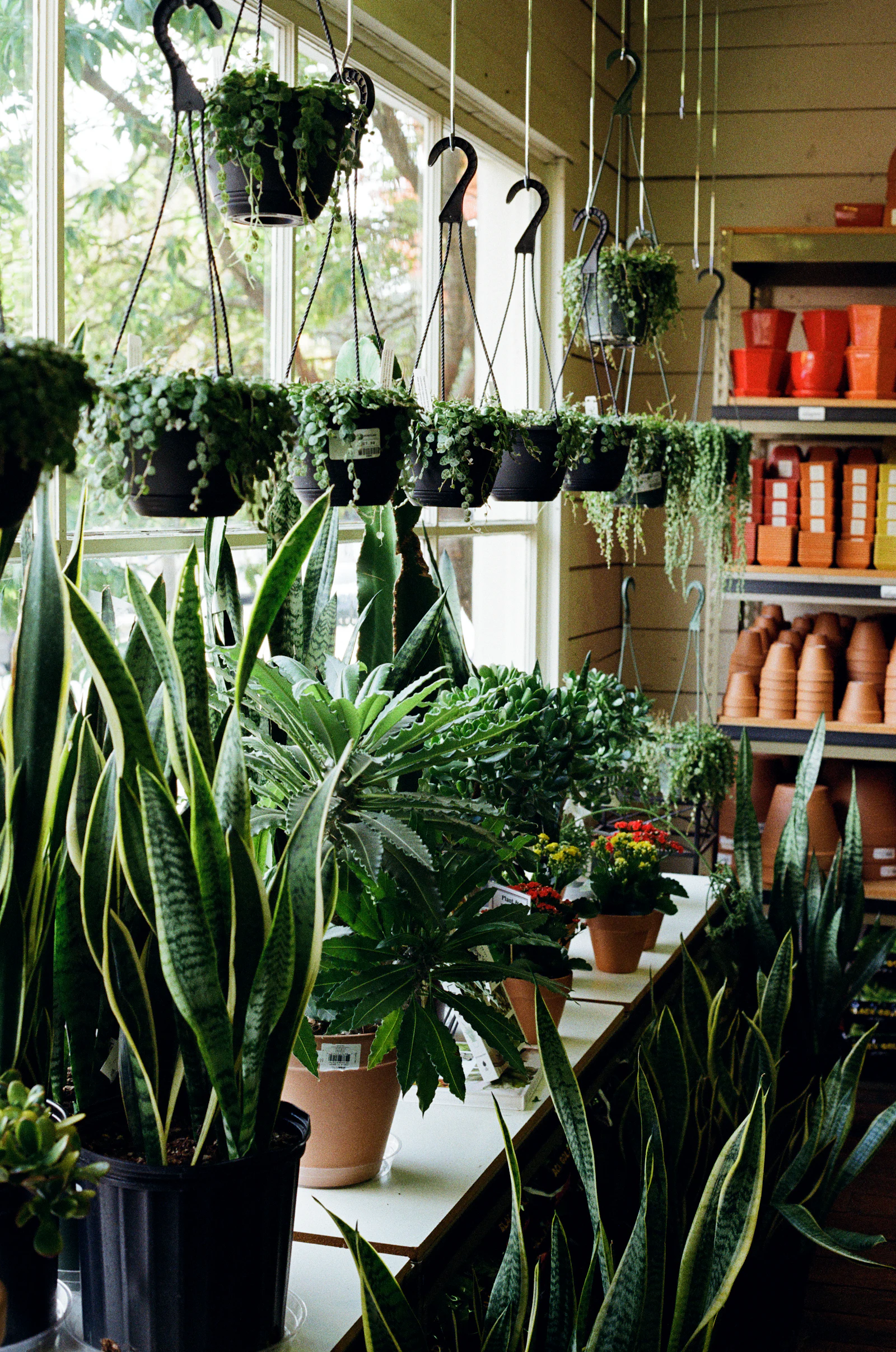
High shelves, hanging planters and rooms your pets cannot get into all work. Remember that trailing plants grow down towards curious paws, and that fallen leaves end up on the floor.
If your pet has chewed a plant
Note the plant’s name, remove any pieces from your pet’s mouth, and call your vet. Take the plant label or a photo with you. Do not try to make your pet sick unless a vet tells you to.