How to read the light in your home
Most plant problems start with the wrong spot. Ten minutes, a window and your hand are enough to find the right one.
Light falls off faster than you think
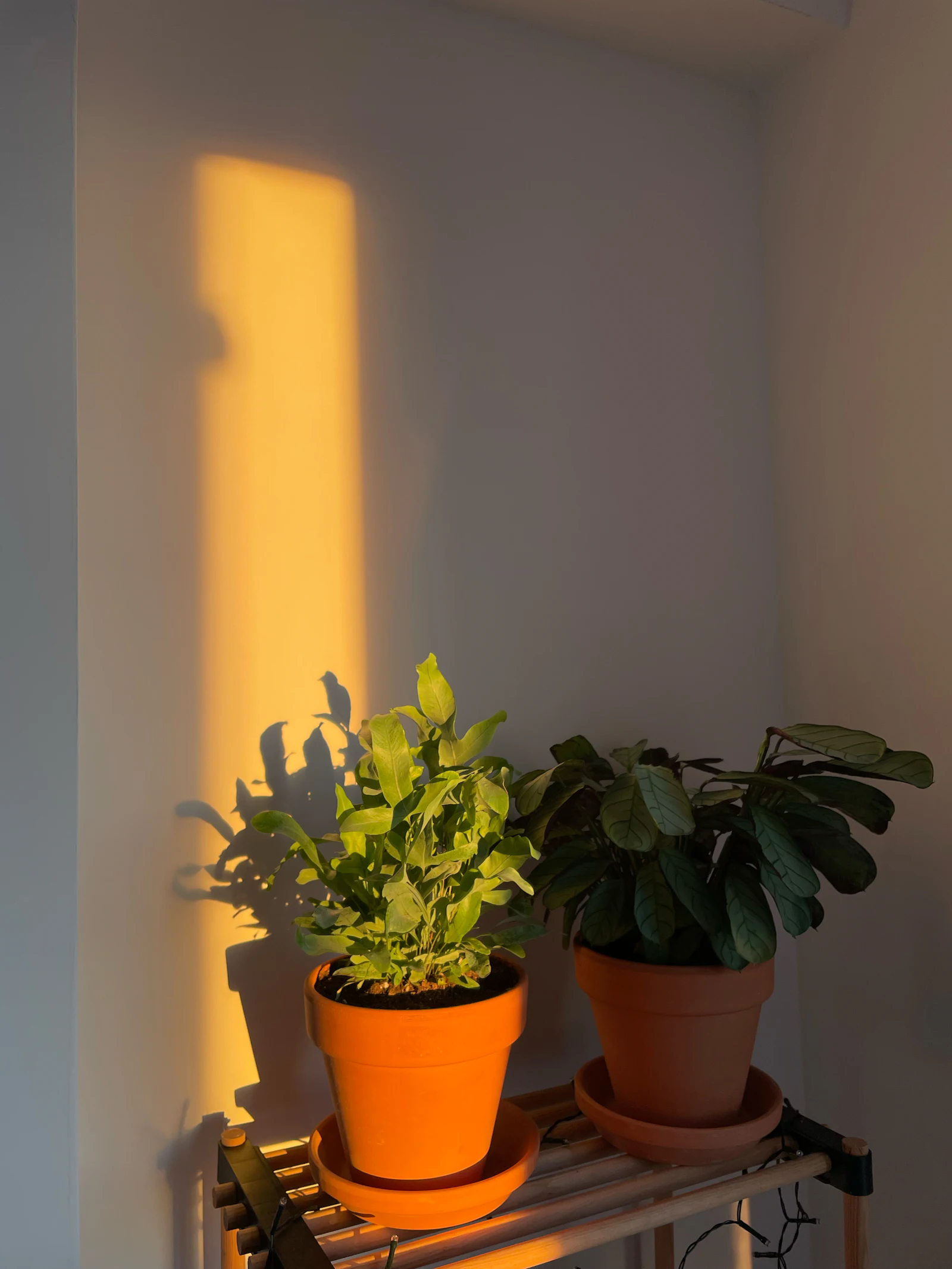
Your eyes adjust to dim rooms so well that a spot two metres from a window feels bright. To a plant, it can get less than a quarter of the light on the sill.
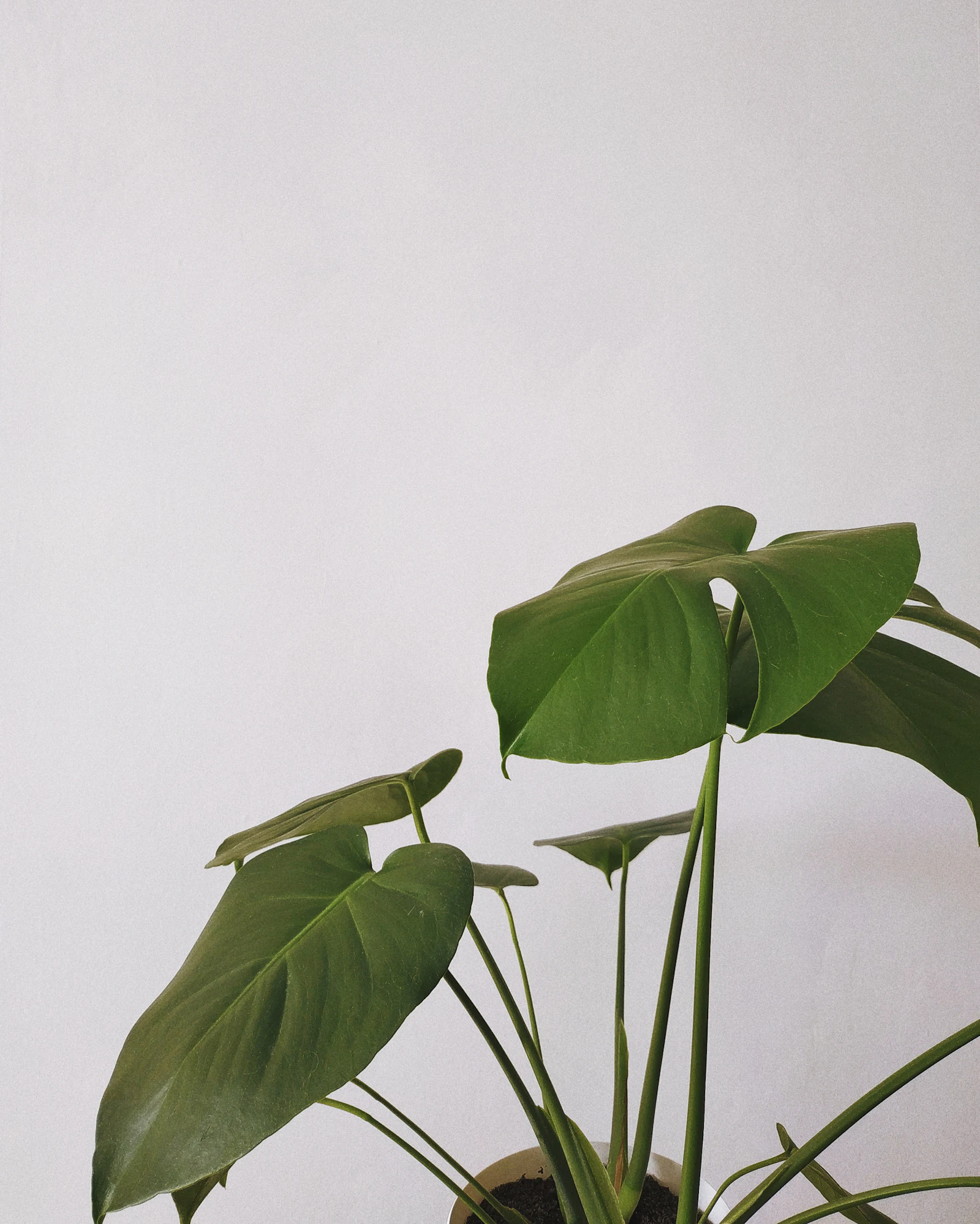
That is why the same monstera can thrive in one corner and sulk in the next. Before you choose a plant, work out what the spot really gets.
Start with the window’s direction
In the northern hemisphere, south-facing windows get sun for most of the day, west-facing ones get strong afternoon sun, east-facing ones get gentle morning sun, and north-facing windows get soft, even light with almost no direct sun. South of the equator, north and south swap.
Use the compass on your phone, or simply note where the sun is at midday.
Try the shadow test
Around midday, hold your hand about 30 cm above the spot where the plant will stand. A crisp, sharp-edged shadow means direct sun. A clear shadow with soft edges means bright, indirect light. A faint, blurry shadow means medium light, and hardly any shadow at all means low light.
Repeat the test in winter if you can: the sun sits lower, so south-facing rooms get deeper light while everything else gets less.
Match the plant to the spot, not the other way round
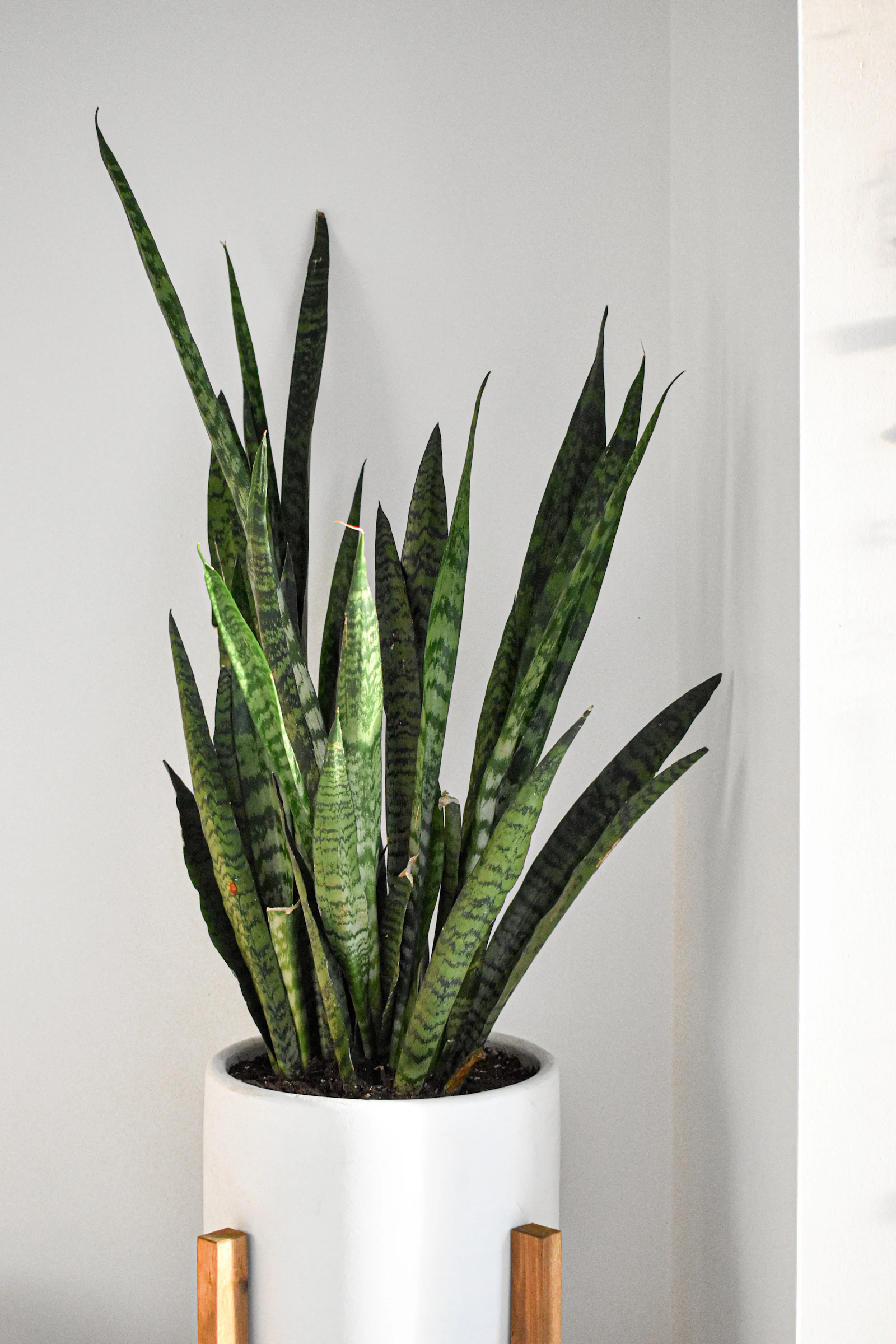
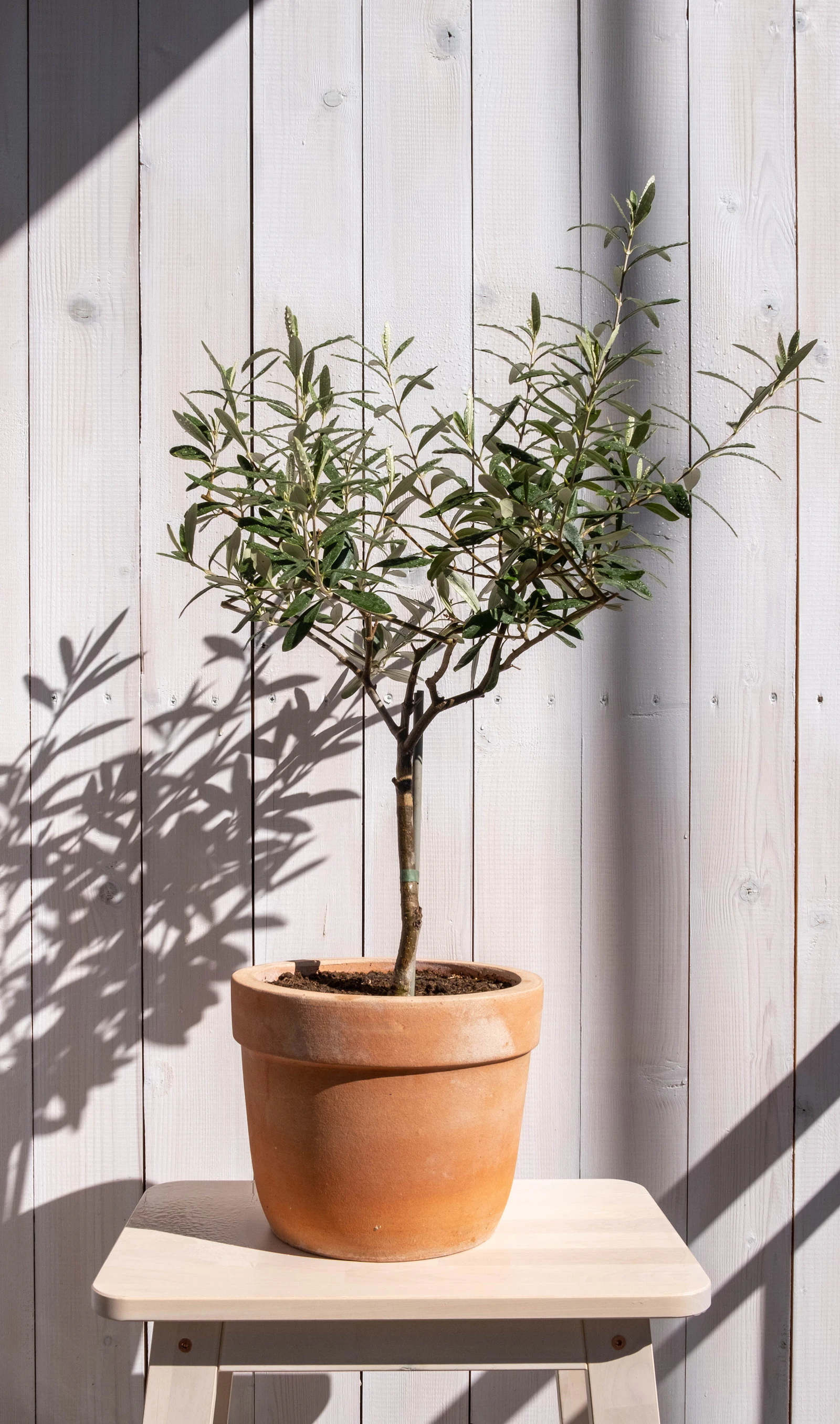
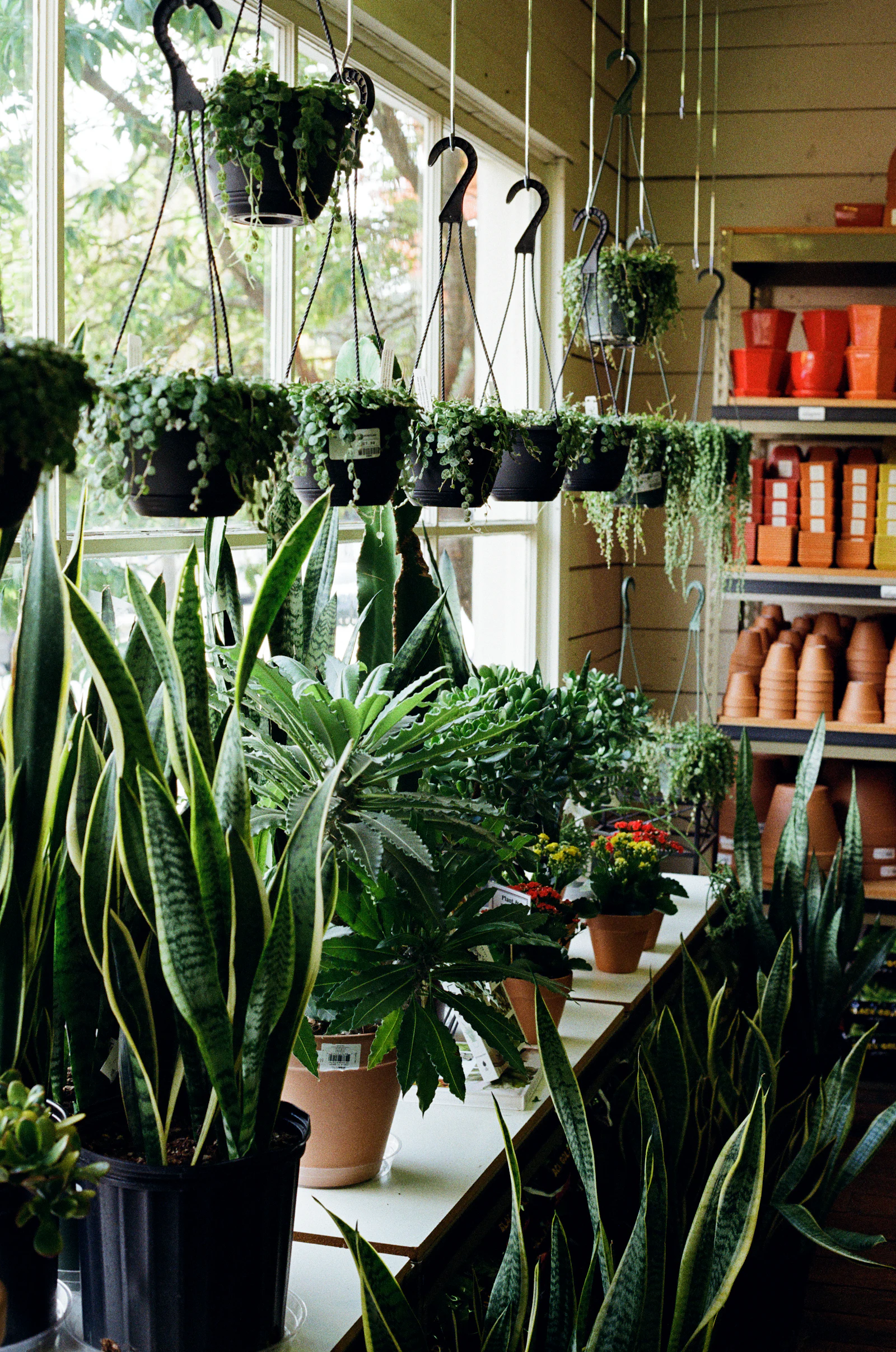
Low-light plants such as the ZZ plant, snake plant and parlour palm will survive away from windows. Sun lovers such as olive trees and aloes need a sill that gets hours of direct light. Most tropical foliage plants sit happily in between.
Our Light Finder runs this same reasoning for you: choose the window’s direction and the distance, and it shows the plants that suit the spot.